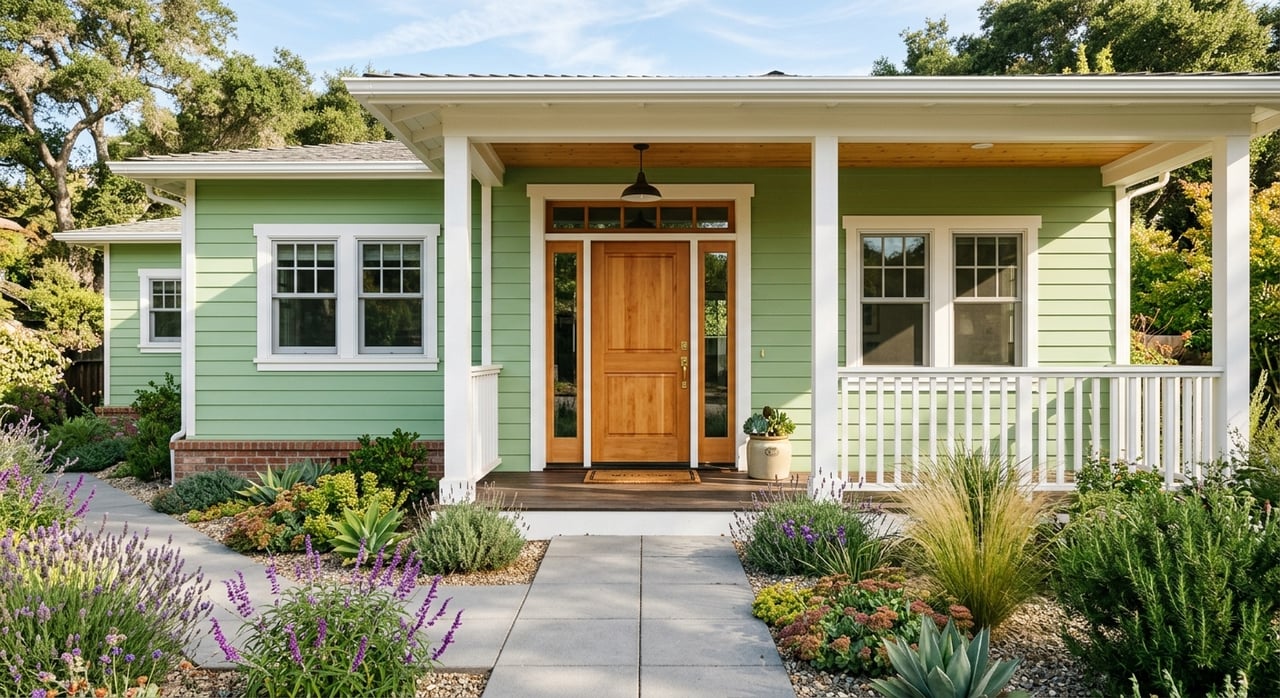
Thinking about selling your home in San Mateo County? You are not alone, and you are probably wondering how to time the sale, price it well, and avoid costly surprises along the way. In a market where homes can move quickly, a clear plan matters just as much as curb appeal. This step-by-step guide will walk you through what to expect, what to do first, and where careful preparation can help you protect your bottom line. Let’s dive in.
Understand the San Mateo County market
San Mateo County remains a high-value market, but it is not one-size-fits-all. According to the MLSListings February 2026 single-family report, the county median sale price was $1.95 million, homes sold in 9 days, and sellers received 107% of list price on 227 sales.
At the same time, the same report showed inventory at 373 homes, up from January and slightly up year over year. Zillow’s county data provides a different snapshot, showing a typical home value of $1.57 million, median days to pending of 19, and a median sale-to-list ratio of 1.004. The big takeaway is simple: county averages are helpful, but your pricing strategy should rely on neighborhood-level comparable sales, not broad county numbers alone.
Start planning 3 to 4 months ahead
If possible, start preparing well before your target list date. Zillow notes that many sellers begin thinking about selling three to four months before listing, and that timeline makes sense in a market like San Mateo County.
This early planning window gives you time to make decisions without rushing. You can review your equity, think through your next move, create a repair list, and gather important records like warranties, manuals, and prior improvement details.
Early planning checklist
Before your home goes live, focus on these basics:
- Review your goals and timing
- Gather property records, warranties, and manuals
- Make a list of repairs or maintenance items
- Start decluttering and simplifying each room
- Talk through pricing based on neighborhood comps
- Prepare for disclosures and pre-sale documentation
- Begin planning your move and post-sale timeline
Prepare your home before launch
Home prep is about more than making the property look nice in photos. According to MLSListings’ seller prep guidance, smart pre-list work can include a pre-sale home inspection, decluttering, deep cleaning, replacement estimates for major items, and curb appeal improvements.
That matters because a well-prepared home can reduce surprises later in negotiations. If buyers discover issues after they write an offer, they may ask for credits, repairs, or a price reduction. Handling key items early can lead to a smoother transaction.
What to do before listing
A strong pre-listing plan often includes:
- Decluttering closets, counters, and storage areas
- Deep cleaning the home
- Addressing visible deferred maintenance
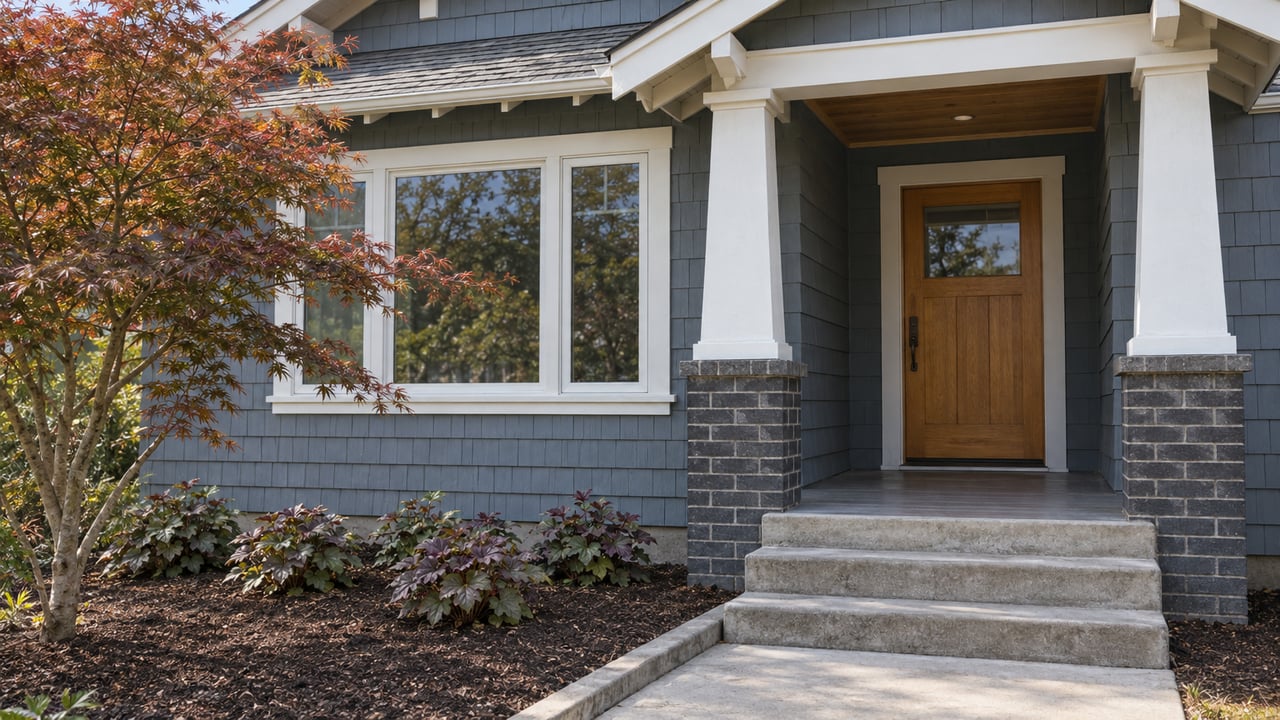
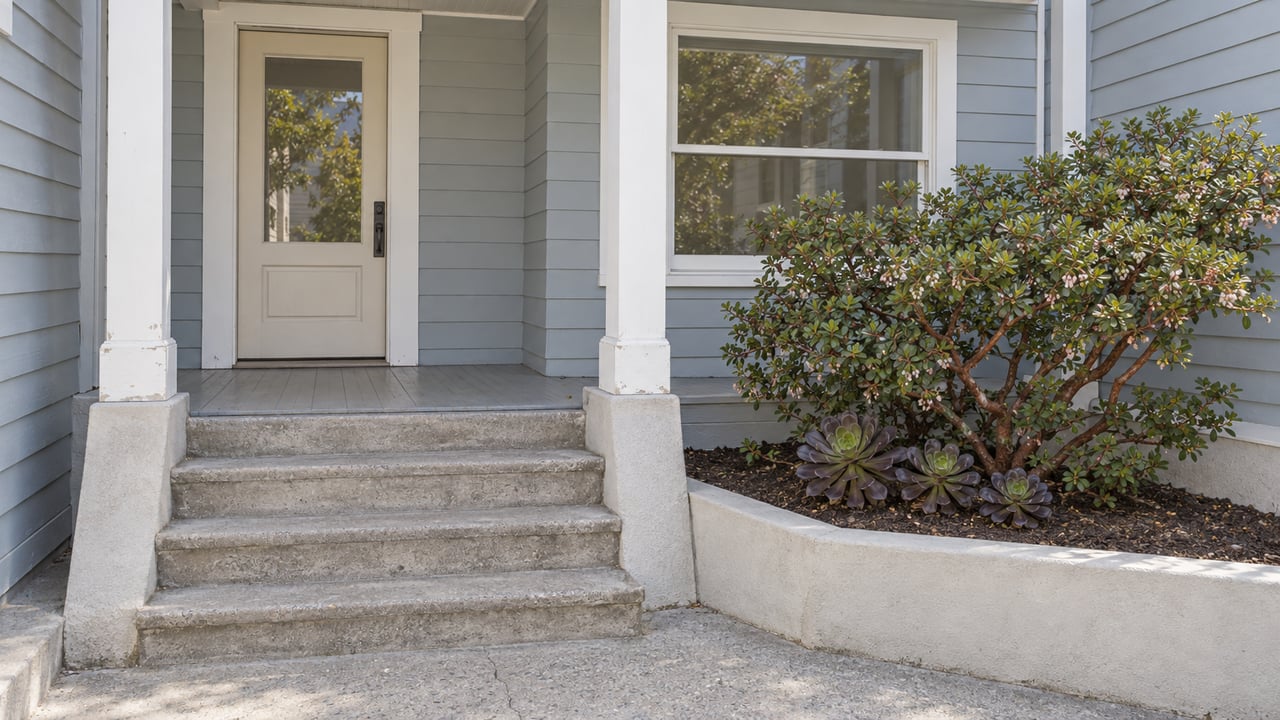
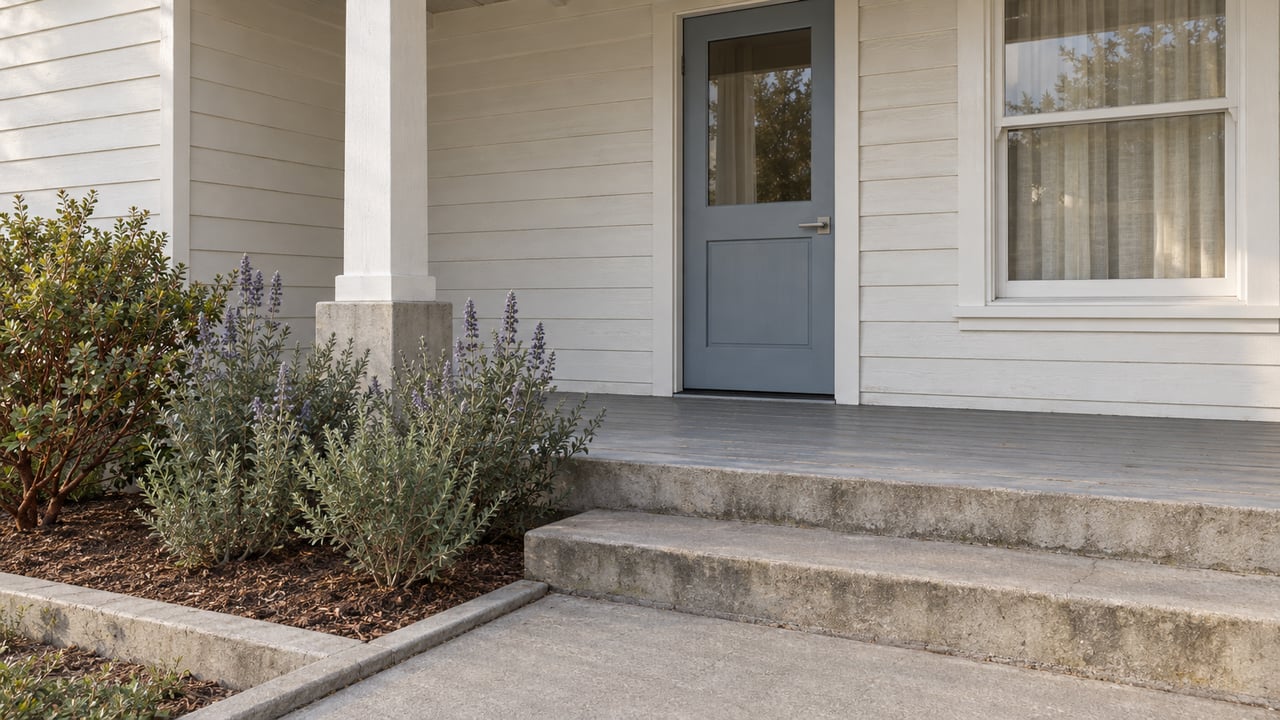
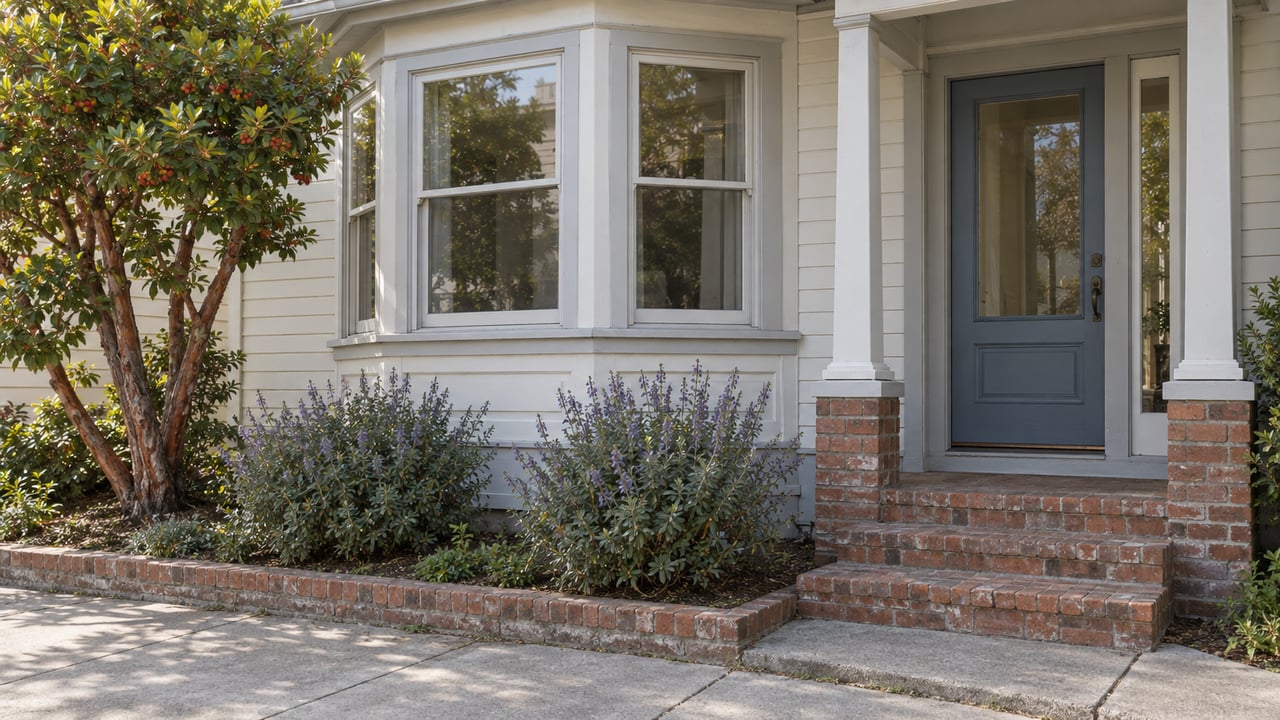
- Refreshing landscaping and entry appeal
- Getting estimates for major systems or repairs if needed
- Organizing appliance manuals and warranties
- Considering a pre-sale home inspection
If you are short on time, prioritize the items buyers notice first: cleanliness, light, layout flow, and obvious maintenance issues.
Price from comps, not guesswork
Pricing is one of the biggest decisions you will make. In a fast-moving market, it can be tempting to price high and “see what happens,” but overpricing can slow momentum during the most important launch window.
Recent county data shows homes can go pending quickly, especially in the first one to two weeks. That is why pricing should reflect recent comparable sales, active competition, property condition, and micro-location factors, not just county headlines.
Why local pricing matters
Two homes in the same county can perform very differently based on:
- Neighborhood location
- Home size and layout
- Lot characteristics
- Condition and updates
- Property type
- Buyer demand in that price bracket
A thoughtful comparative market analysis helps you avoid leaving money on the table or missing the strongest wave of buyer attention.
Complete seller disclosures carefully
California disclosures are a major part of the selling process, and they deserve your attention early. The California Department of Real Estate Transfer Disclosure Statement guidance explains that the seller is principally responsible for disclosing the property’s condition.
The same guidance notes that the disclosure is not a warranty, but it is an important legal document. It also says the agent must conduct a visual inspection and disclose readily observable defects, along with material facts affecting value, desirability, or intended use that are not obvious from that inspection.
Common disclosures to expect
Depending on the property, sellers may need to provide:
- Transfer Disclosure Statement
- Natural Hazard Disclosure
- Lead-based paint disclosure for homes built before 1978
- Smoke detector compliance information
- Mello-Roos or special tax notices, if applicable
- HOA documents or CC&Rs for common interest developments
Timing matters here too. The DRE notes that if the TDS or related disclosures are delivered after the buyer signs an offer, the buyer may have a limited window to rescind. That is one more reason to get organized before going on the market.
Launch with strong marketing
Once the home is ready, your launch strategy matters. Zillow’s guidance on time to sell notes that poor marketing, weak photos, and weak online curb appeal can slow a sale, while strong online presentation and MLS exposure help a property stand out.
In San Mateo County, where buyers may move fast, the first impression often happens online. Your listing should be ready with polished photography, a clear pricing strategy, and a plan for showings and buyer follow-up from day one.
Key parts of an effective launch
A strong listing rollout often includes:
- Professional photography
- Clean, inviting staging
- Clear and accurate property details
- MLS exposure
- Open house strategy, if appropriate
- Fast response to buyer and agent questions
- Ongoing review of showing activity and feedback
The first week or two is often when your home gets the most attention. With county data showing homes selling in as little as 9 days in some recent reports, preparation before launch is critical.
Manage showings and offers strategically
Once your listing is active, things can move quickly. Showings, questions, disclosure review, and offer activity may all happen within a short window.
This is where organization really helps. A thoughtful process keeps buyers informed, reduces confusion, and gives you a stronger position when offers come in.
What to evaluate in an offer
Price matters, but it is not the only factor. You should also look at:
- Financing strength
- Down payment amount
- Contingencies
- Requested timelines
- Repair or credit expectations
- Overall flexibility and certainty of closing
According to MLSListings’ overview of working with a professional, selling a home often involves dozens of forms, reports, disclosures, and technical documents. That same guide also highlights the value of experienced negotiation, buyer screening, and local market context during this stage.
Move from acceptance to closing
After you accept an offer, the sale is not finished yet. You still need to move through escrow, buyer contingencies, final documentation, payoff coordination, and recordation.
Zillow says the period from accepted offer to closing is typically 30 to 45 days nationally. For many sellers, this is the stage where timelines, paperwork, and moving logistics start to overlap.
What happens after acceptance
You can usually expect this stage to include:
- Escrow is opened
- Buyer deposits earnest money
- Inspections and disclosure review continue
- Loan and appraisal steps move forward if financing is involved
- Title, payoff, and prorations are prepared
- Final documents are signed
- The deed is recorded and the sale closes
Because this phase can still bring negotiation points, it helps to have repair decisions, paperwork, and move plans ready before your home hits the market.
Know the local tax and closing details
Closing costs vary, but local transfer taxes are an important part of the math. The San Mateo County Clerk-Recorder’s office states that the county documentary transfer tax is 55 cents per $500 of consideration or fair market value, which equals $1.10 per $1,000.
That tax is paid when the deed or other conveyance is recorded, unless an exemption applies. If the property is inside the City of San Mateo, the county notes that the city also levies an additional real property transfer tax, with a 0.5% rate below $10 million and 1.5% at or above $10 million.
The San Mateo County Assessor’s office also notes that property tax is typically 1% of assessed value, plus voter-approved bonds and certain special assessments or charges. This helps explain why prorations, payoff statements, and recordation details are part of the closing process.
Where full-service support matters most
Selling a home in San Mateo County can look fast from the outside, but the process has many moving parts. Pricing, prep, disclosures, marketing, buyer screening, and negotiations all affect your final result.
That is why many sellers benefit most from support in a few key areas:
- Pricing from true local comps
- Coordinating repairs and pre-list prep
- Managing disclosures carefully
- Creating a strong marketing launch
- Screening buyers and comparing offer terms
- Navigating inspections, escrow, and closing details
With a relationship-first, hands-on approach, Michelle Kennedy helps sellers stay organized, informed, and supported from planning through closing. If you are thinking about selling in San Mateo County, a personal consultation can help you build the right timeline and strategy for your home.
FAQs
What is the first step to selling a home in San Mateo County?
- The first step is usually planning your timing, reviewing your home’s condition, and starting a neighborhood-based pricing discussion several months before listing.
How fast do homes sell in San Mateo County?
- Recent MLSListings data showed single-family homes selling in 9 days in February 2026, while Zillow showed a county median of 19 days to pending, so speed can vary by area, home type, and pricing strategy.
What disclosures are required when selling a home in California?
- Sellers commonly need a Transfer Disclosure Statement, and may also need Natural Hazard Disclosure, lead-based paint disclosure for older homes, smoke detector compliance information, and HOA or tax-related documents depending on the property.
How long does closing take after accepting an offer in San Mateo County?
- Zillow says the typical period from accepted offer to closing is about 30 to 45 days, although the timeline can vary based on financing, contingencies, and transaction details.
What transfer tax applies when selling a home in San Mateo County?
- San Mateo County’s documentary transfer tax is $1.10 per $1,000 of consideration or fair market value, and properties within the City of San Mateo may also be subject to an additional city transfer tax.
When is the best time to list a home in San Mateo County?
- Zillow says late spring often brings strong results nationally, with a broader March-to-July window, but timing in expensive West Coast markets can peak earlier, so local conditions should guide the decision.