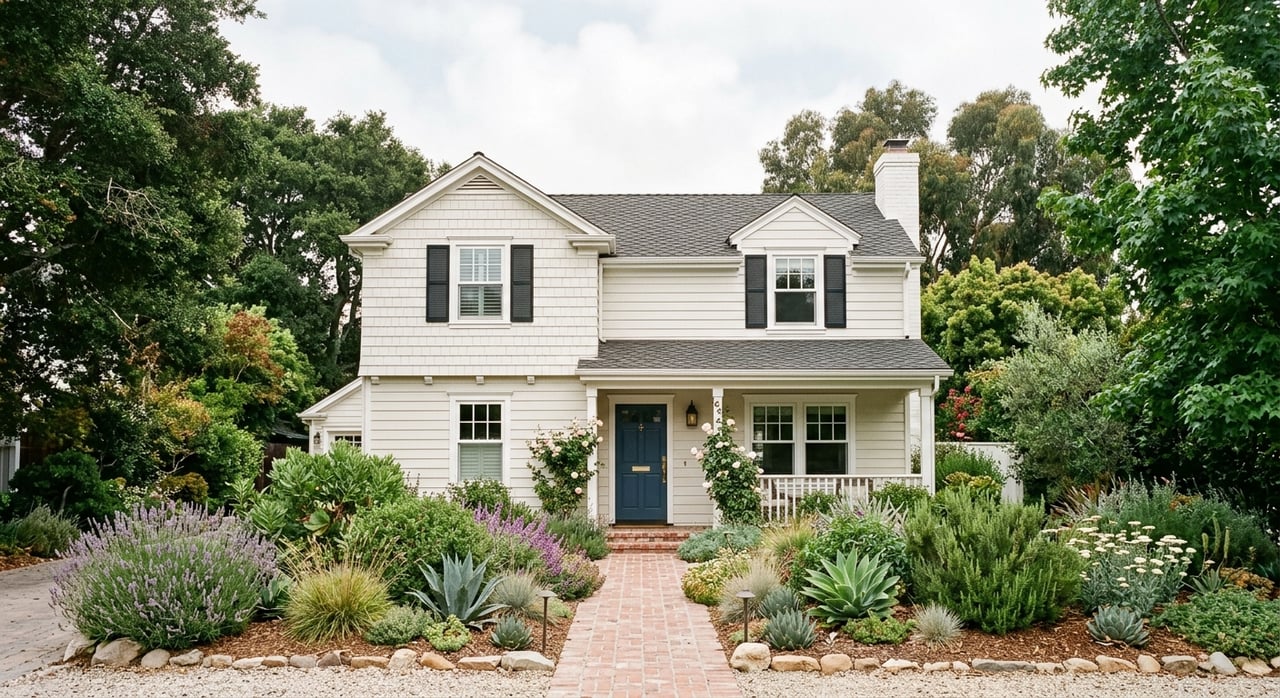
Wondering if Marin County is the right place for your next chapter? If you are weighing space, commute options, housing costs, and day-to-day lifestyle, it helps to look past the postcard views and focus on how life there might actually work for your household. This guide breaks down what Marin County offers, where the tradeoffs are, and what to think through before you make a move. Let’s dive in.
What Marin County Feels Like
Marin County offers a lower-density, more suburban setting than many nearby Bay Area markets. As of July 1, 2025, the county had an estimated population of 253,694 spread across 520.42 square miles, which helps explain its more open feel and slower pace compared with denser urban areas like San Francisco.
The data also points to an established, higher-income market. According to U.S. Census QuickFacts for Marin County, the median household income is $149,091, the owner-occupied housing rate is 64.7%, and the median household size is 2.44 people. In practical terms, that often appeals to households looking for more room, a residential setting, and a long-term home base.
Housing Costs in Marin County
For many buyers, the biggest question is simple: can Marin fit your budget? Marin is a high-cost housing market, and that reality should be at the center of your decision.
The same Census QuickFacts data shows a median value of $1,507,300 for owner-occupied homes, median monthly owner costs above $4,000 with a mortgage, and median gross rent of $2,668. Those numbers make Marin a better match for buyers who are prepared for significant monthly housing costs.
Current market snapshots also support that picture. The research report notes Zillow reported a typical home value of $1,469,866 and a median sale price of $1,279,833 in late February 2026, while Redfin reported a February 2026 median sale price of about $1.4 million. Even with small differences by methodology, the takeaway is consistent: Marin is expensive by almost any measure.
What Kind of Homes You Will Find
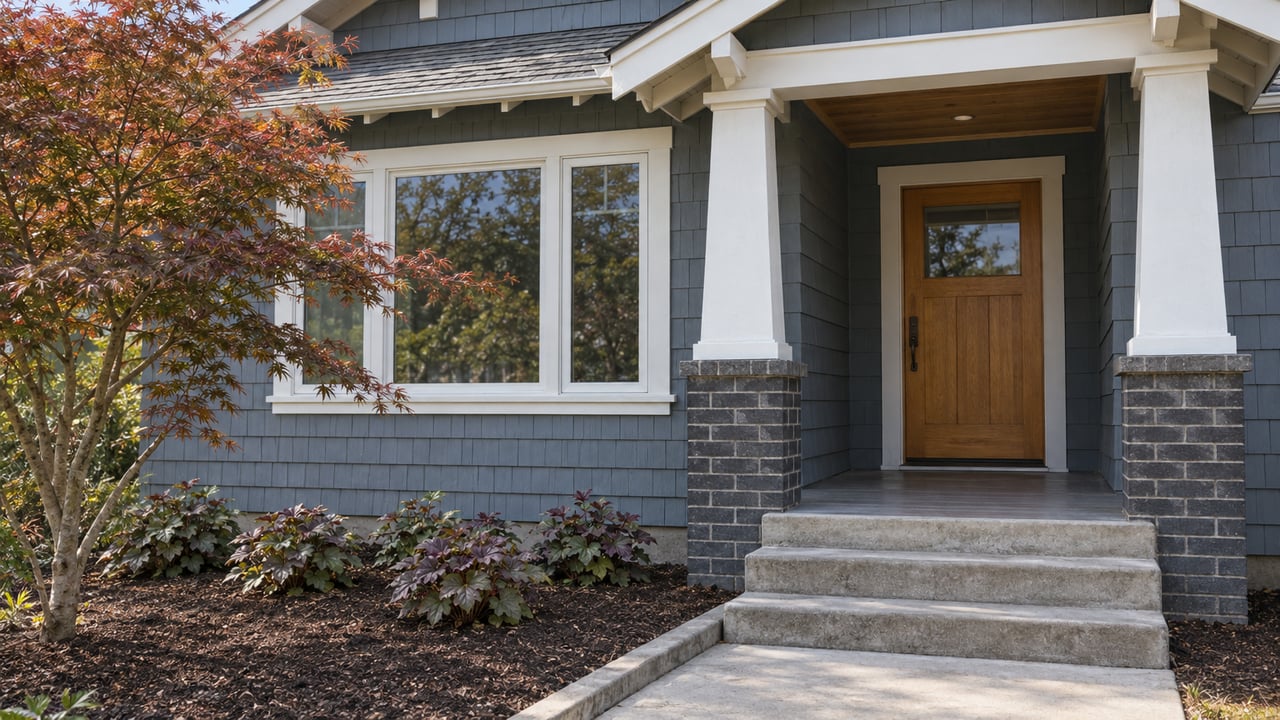
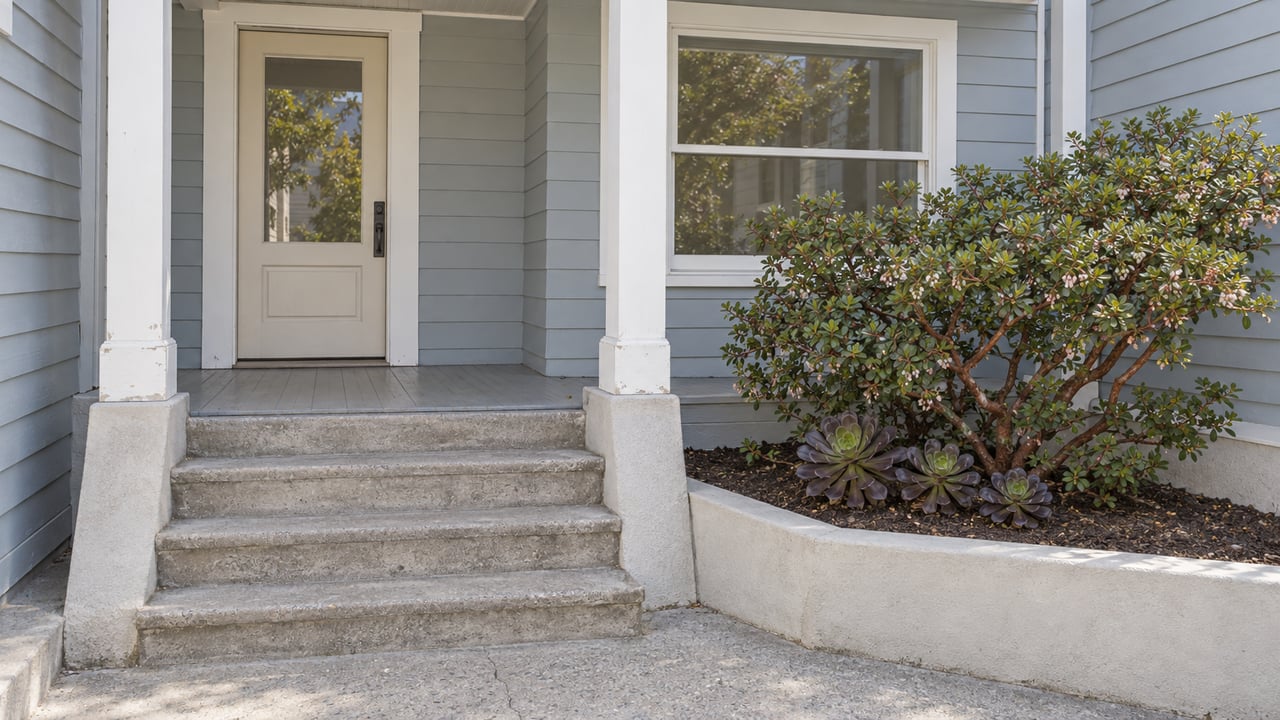
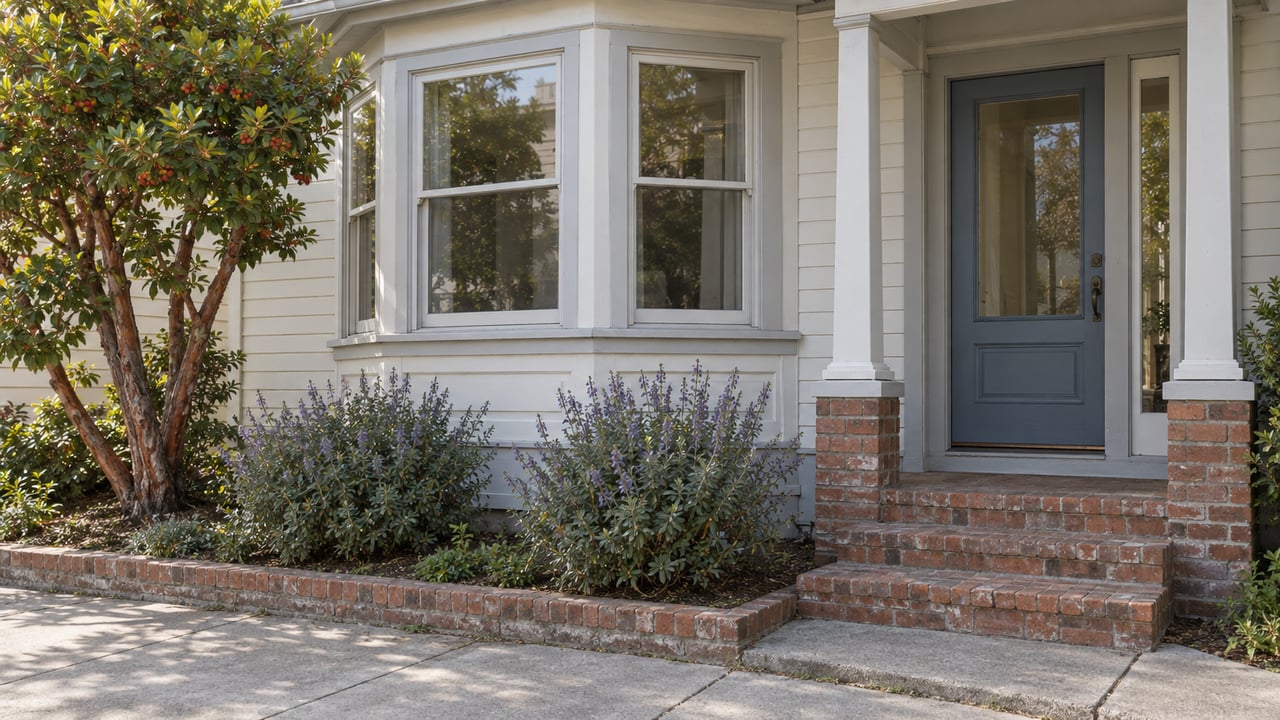
Marin’s housing stock is still dominated by detached homes. According to Marin County planning information, more than 80% of Marin homes are single-family detached, and the county overall is about 71% single-family.
That matters if you are moving from San Francisco or another denser area and hoping for more yard space, privacy, or a traditional single-family layout. At the same time, it also means Marin may be less ideal if you want a broad condo inventory or a lower-cost entry point.
Housing Tradeoffs to Weigh
Before you start touring homes, it helps to be clear about what you are prioritizing. Marin often works best when your goals line up with the inventory and price point.
Ask yourself:
- Do you want mostly detached-home options?
- Are you comfortable with higher monthly ownership costs?
- Would you consider attached housing, townhomes, or an ADU setup if it expands your choices?
- Are you looking for long-term lifestyle value, not just the lowest purchase price?
Commute Options and Daily Logistics
A move can feel great on paper and still become frustrating if the daily routine does not work. In Marin, the commute story depends a lot on where you live and where you need to go.
Countywide, the mean travel time to work is 27.4 minutes. That is useful as a baseline, but your real experience may vary widely based on whether you rely on Highway 101, bus service, SMART, or the ferry.
San Francisco Access From Marin
If you need regular access to San Francisco, central and southern Marin tend to offer the strongest transit connections. The research report notes direct Golden Gate Transit connections from San Rafael via Routes 101 and 132, from Larkspur and Corte Madera via the Larkspur Ferry or Route 132, and from Marin City via Route 120.
The Golden Gate Ferry Larkspur-San Francisco route runs 7 days a week and takes about 30 to 50 minutes one way depending on the vessel. The Larkspur Ferry Terminal also has 1,800 parking spaces, which can make park-and-ferry commuting more practical for some households.
SMART also adds another layer of regional access. The research report notes stations in Novato, San Rafael, and Larkspur, and SMART says Larkspur Station is about a 15-minute walk from the ferry terminal.
Local Transportation for Everyday Life
For day-to-day mobility, Marin Transit operates 13 local bus routes, 4 supplemental routes, and 2 rural Stagecoach routes. The district also offers a Youth Pass that allows registered Marin County students and youth 18 and under to ride local Marin Transit routes without paying additional fare.
That can be meaningful for households trying to reduce car trips or simplify after-school transportation. Still, service levels are not the same across the county, so your daily routine may look very different in central Marin than it would in more rural or western areas.
Outdoor Access Is a Major Lifestyle Perk
If outdoor access is high on your list, Marin stands out. One of the county’s biggest strengths is how close daily life can feel to trails, shoreline, and open space.
The Golden Gate National Recreation Area spans more than 80,000 acres across San Francisco, Marin, and San Mateo counties, with 37 park sites and more than 130 miles of trails. In Marin, that includes places such as the Marin Headlands, Tennessee Valley, Muir Woods, and Fort Baker.
Marin also includes Mount Tamalpais State Park, which adds 6,300 acres of redwood groves and oak woodlands around a 2,571-foot peak. For many households, that kind of access is not just a weekend bonus. It becomes part of the weekly routine.
Why This Matters for Families
For some buyers, being near outdoor space is a nice extra. For others, it shapes where they want to live every day.
If you picture morning trail walks, easier access to parks, or a home base that feels more connected to nature, Marin may check an important box. If your ideal lifestyle revolves more around dense retail corridors, a simpler transit grid, or constant urban convenience, another area may be a better match.
Schools and District Boundaries
If schools are part of your home search, one of the most important facts is that Marin is not one single school district. The Marin County Office of Education supports 17 school districts, with multiple elementary and high school district structures across the county.
That means school assignment can shift significantly by address. A town name alone is not enough to confirm where a property is assigned, so it is smart to verify boundaries carefully during your search.
A Smarter Way to Search
If school planning matters to your move, start with the address and district map rather than broad assumptions about a community. This approach helps you avoid surprises and keeps your search focused on homes that fit your actual priorities.
It also makes your decision process more grounded. Instead of shopping by reputation or guesswork, you can compare locations based on confirmed information and how each home works for your routine.
Hybrid Work and Professional Households
Marin may also appeal if your household includes remote or hybrid work. According to Census QuickFacts, 95.8% of households have a broadband internet subscription, and 61.1% of adults age 25 and older have a bachelor’s degree or higher.
Combined with the county’s suburban housing profile and regional transit options, that data suggests Marin can be a practical fit for professional households looking for a quieter home base without giving up Bay Area connectivity. If you work from home several days a week, that balance may be especially attractive.
How Marin Compares With Nearby Counties
Sometimes the clearest way to evaluate Marin is to compare it with your other options. Marin is not simply better or worse than nearby counties. It is a different tradeoff.
Compared with San Francisco, Marin is more owner-occupied and less urban in feel. Marin’s owner-occupied rate is 64.7% versus 38.2% in San Francisco, and Marin’s mean commute time is shorter at 27.4 minutes versus 30.4 minutes, according to Census QuickFacts.
Compared with San Mateo County, Marin is similarly expensive, though San Mateo is slightly higher on median home value at $1,559,600 versus Marin’s $1,507,300. Compared with Contra Costa County, Marin is dramatically more expensive, while Contra Costa has a longer average commute time of 35.3 minutes.
A Simple Summary
Marin may be a strong fit if you want:
- More detached-home inventory
- A suburban setting
- Strong access to open space
- Ferry, SMART, or Highway 101 commuting options
- A long-term home base in the North Bay
Marin may be a weaker fit if you need:
- A lower entry price
- Denser condo inventory
- A more urban lifestyle
- A simpler countywide transit grid
Is Marin County the Right Move for Your Family?
The answer depends on what matters most to you. If you are looking for more space, access to nature, and a residential setting with Bay Area connectivity, Marin can be a compelling option. If your top priorities are affordability, dense walkability, or a broader range of lower-cost housing types, you may find the tradeoffs harder to justify.
The key is to evaluate Marin through the lens of your real daily life. Budget, commute, housing style, and district boundaries all matter, and the right choice usually becomes clearer when you look at them together instead of one at a time.
If you are thinking about a move to Marin County and want help comparing neighborhoods, commute patterns, and housing options, Michelle Kennedy offers thoughtful, personalized guidance for Bay Area buyers and relocators. Let’s talk about your home and what fits your next chapter best.
FAQs
Is Marin County a good fit for buyers who want more space?
- Marin County may appeal if you want a lower-density setting and a housing market that strongly skews toward single-family detached homes.
Is Marin County affordable for most families moving within the Bay Area?
- Marin County is a high-cost market, with Census data showing a median owner-occupied home value of $1,507,300 and median gross rent of $2,668.
Is commuting from Marin County to San Francisco realistic?
- It can be, especially from central and southern Marin, where Golden Gate Transit, the Larkspur Ferry, and SMART connections support regional travel.
Are school assignments the same across all Marin County neighborhoods?
- No, Marin County includes multiple school district structures, so school assignment should be verified by property address rather than town name alone.
Does Marin County offer strong access to parks and trails?
- Yes, Marin has extensive access to public land, including areas within the Golden Gate National Recreation Area and Mount Tamalpais State Park.
Is Marin County a better choice than San Francisco for every buyer?
- Not necessarily. Marin may suit buyers who want more space and outdoor access, while San Francisco may better fit buyers seeking a denser urban setting.