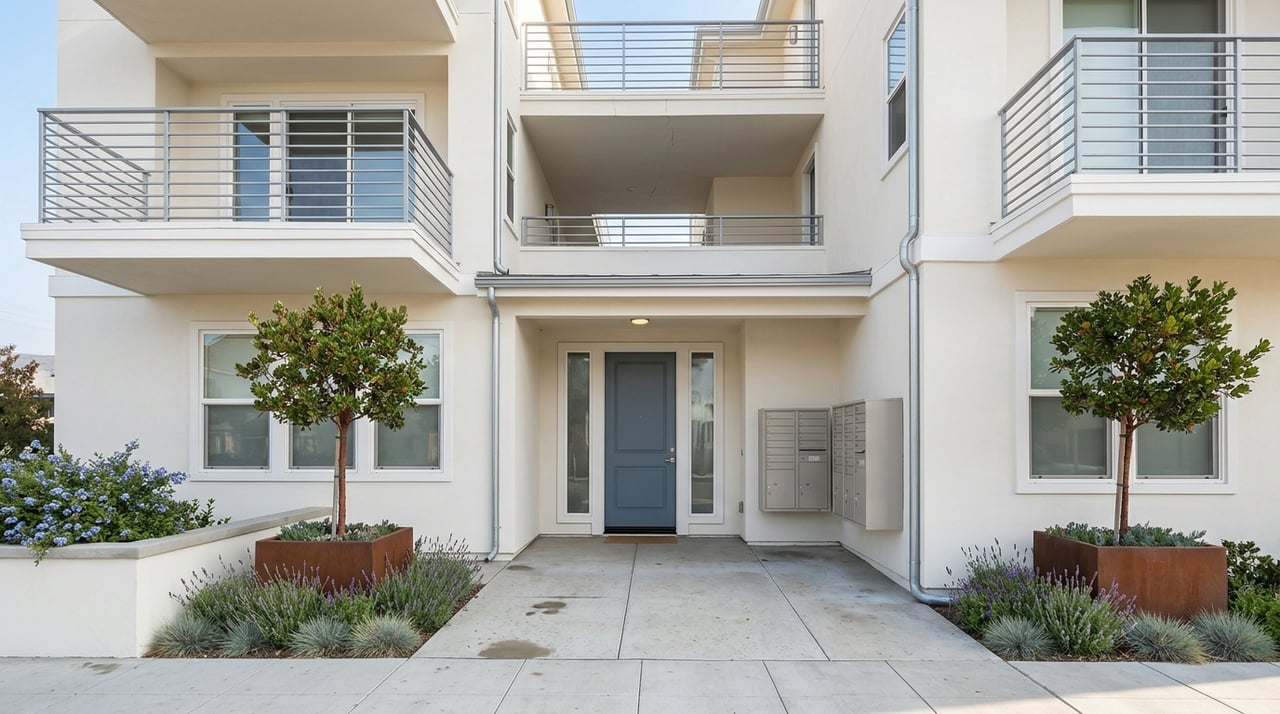
Choosing between a condo and a single-family home in Alameda County can feel like a big fork in the road, especially when prices, upkeep, and lifestyle needs all pull in different directions. You may want more space, a lower entry price, or simply a home that fits the way you live now and a few years from now. The good news is that there is no one-size-fits-all answer, and a smart choice usually comes down to understanding the tradeoffs clearly. Let’s break it down.
Alameda County price differences
If budget is one of your biggest deciding factors, condos often offer a much lower starting point in Alameda County. In Oakland, the median sale price was $1,049,466 for a single-family home and $502,310 for a condo or co-op. In Berkeley, the median sale price was $1,611,681 for a single-family home and $893,161 for a condo or co-op, while in Hayward it was $988,497 for a single-family home and $462,325 for a condo or co-op.
That price gap is a major reason many buyers start with condos. Still, the spread is not identical in every part of the county. Building age, condition, HOA quality, and neighborhood can all affect whether a condo feels like a strong value or not.
Where condos and houses are common
Your search experience can also change based on where in Alameda County you want to live. Local planning and housing data show that Oakland and Berkeley have large amounts of multi-unit housing, which helps explain why condo options often feel more natural in denser parts of those cities. Berkeley’s recent housing production also leaned heavily toward larger multi-unit buildings.
Hayward shows a different pattern. Its planning documents reserve certain lower-density and eastern-hills areas for detached single-family homes, while higher-density homes such as townhomes, apartments, and condominium buildings are placed closer to activity centers and arterial streets. In simple terms, if you want a condo, you may see more options in urban or infill settings, while detached homes may be more common in lower-density or hillside areas.
Condo ownership works differently
One of the most important things to know is that a condo is a legal ownership form, not just a building type. In California, a home can look detached and still be part of a condominium or another common-interest development. When that happens, HOA membership transfers automatically when the property is sold.
That matters because buying a condo usually means you are buying into a shared system of rules, budgets, and responsibilities. You own your unit, but some parts of the property are maintained or governed collectively. This structure can work very well for many buyers, but it is different from owning a typical detached house.
HOA dues and assessments
Most condo buyers should expect monthly HOA dues. Those dues may help cover items like common-area maintenance, building systems, insurance components, or reserve funding, depending on the project. They are a real part of your monthly housing cost, so they need to be considered alongside your mortgage, taxes, and other expenses.
There is also the possibility of special assessments. These can happen when major repairs or unexpected costs come up and the HOA needs additional funds from owners. Even if the purchase price feels attractive, a poorly funded HOA can create future costs that change the math.
California law gives buyers useful visibility into this. Associations are required to distribute an annual budget report 30 to 90 days before the end of the fiscal year, include reserve disclosures, and conduct a reserve study at least once every three years. The board must also review that study annually and update it as needed.
Older buildings need extra review
In many Alameda County condo buildings, especially older ones, exterior repairs deserve close attention. California has a recurring inspection requirement for many associations with balconies, decks, walkways, and similar exterior elevated elements. The first inspection was due by January 1, 2025, and inspections continue every nine years after that in coordination with reserve study inspections.
For you as a buyer, this is not just a technical rule. It can affect future repair planning, reserve funding, and the chance of special assessments. If you are considering an older condo project, this is one more reason to review disclosures carefully before moving forward.
Single-family homes offer more control
A single-family home usually gives you more direct control over the structure and yard. If you want more freedom for gardening, pet space, outdoor projects, or future home improvements, that can be a major advantage. Many buyers value that extra autonomy just as much as they value the home itself.
The tradeoff is responsibility. With a detached house, you are typically the one planning for roof work, exterior upkeep, drainage issues, landscaping, and other repair or replacement costs. There is no HOA sharing those obligations in the way a condo association might.
Outdoor space is not always simple
Some buyers assume condos mean no outdoor space, but that is not always true. In California, balconies, patios, porches, stoops, window boxes, and even some yard areas, driveways, or parking spaces can be classified as exclusive use common area. That means they are reserved for fewer than all owners, but they may still be legally part of the common area.
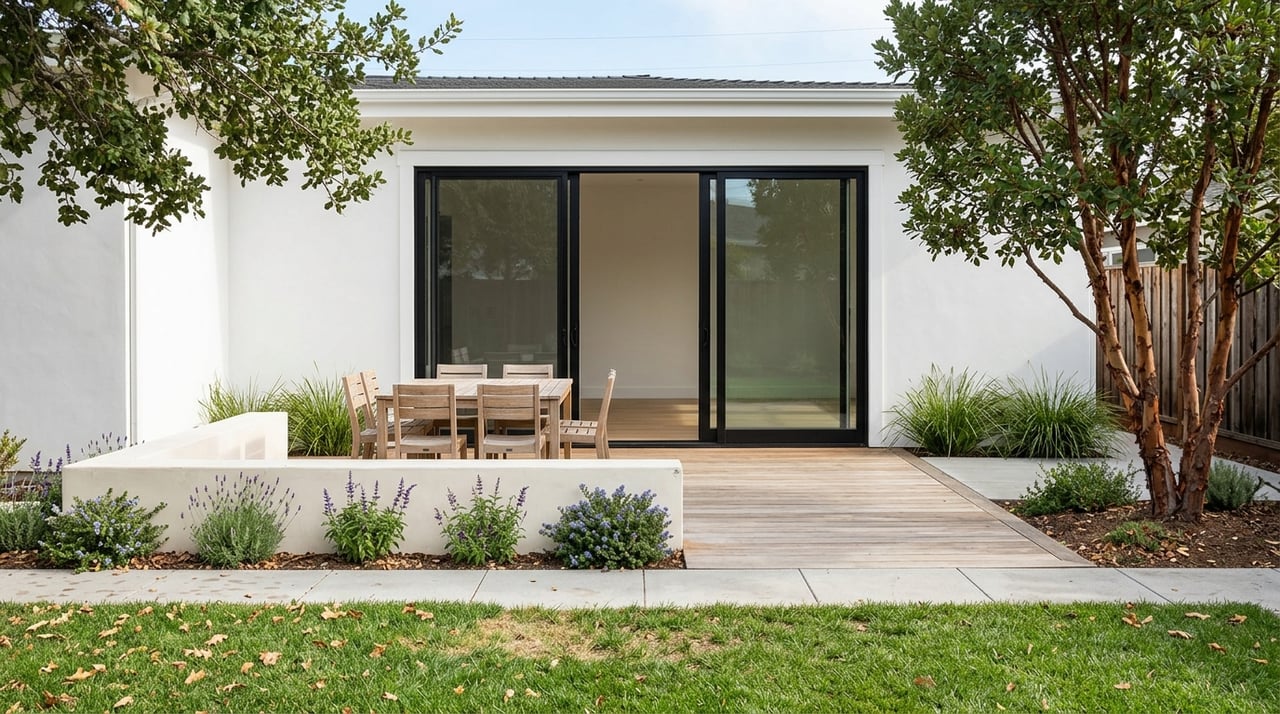
In practical terms, you may have usable private-feeling outdoor space with a condo, but not the same level of control you would likely have with a detached home. If outdoor living is high on your priority list, it is worth understanding exactly what you are getting and what the rules allow.
Lifestyle fit matters most
For some buyers, the decision is mostly financial. For others, it is about how they want to live day to day. A condo often fits buyers who want a lower entry price, less exterior maintenance, and possibly shared amenities.
A single-family home often fits buyers who want more privacy, more room, and more flexibility. If you know you want space for hobbies, gardening, pets, or future changes, a detached home may feel more comfortable long term. If you prefer a simpler maintenance profile and a smaller footprint, a condo may line up better with your goals.
Financing a condo can be more complex
Financing is another area where condos and single-family homes can differ. Condo financing is often more project-sensitive than financing for a detached house. FHA condo loans must be in an FHA-approved condominium project or meet single-unit approval requirements, and project review may consider insurance coverage, financial condition, title issues, pending legal action, and the property’s physical condition.
That means a condo is not just about whether you qualify as a borrower. The project itself can affect financing options. In some cases, two condos with similar prices can feel very different once lender requirements and building documentation come into play.
Due diligence checklist for condo buyers
If you are leaning toward a condo in Alameda County, careful review can protect you from surprises. Before writing an offer, it is wise to read the key HOA and project documents closely.
Look for these items:
- CC&Rs
- Bylaws
- Annual budget report
- Reserve summary
- Reserve study
- Insurance summary
- Disclosures about repairs
- Disclosures about special assessments
These documents can tell you a lot about the building’s financial health and how well the association is planning for future costs. They are especially important in older buildings or projects with balconies, decks, or other exterior elements that may need major work over time.
How to decide in Alameda County
If you are trying to narrow your choice, start with three basic questions. First, what monthly payment range feels comfortable once HOA dues or future maintenance are included? Second, how much control do you want over the property? Third, how long do you expect to stay?
A condo may be the better fit if you want a lower entry price and less exterior maintenance. A single-family home may be the better fit if you want more autonomy and private outdoor space. In Alameda County, where housing patterns vary between urban, infill, suburban, and hillside settings, the best answer often depends on both the property type and the specific location.
The label alone does not tell the whole story. A well-run condo building can be a smart, comfortable choice, and a detached home can be worth the extra cost if space and control matter most to you. The key is matching the property to your budget, your daily life, and the kind of ownership experience you want.
If you are weighing condo versus single-family options in Alameda County, personalized guidance can make the decision much clearer. Michelle Kennedy offers a thoughtful, relationship-first approach to Bay Area home buying and can help you compare options with confidence.
FAQs
What is the price difference between condos and single-family homes in Alameda County?
- In the local market snapshot, condos had much lower median sale prices than single-family homes in Oakland, Berkeley, and Hayward, though the exact gap depends on location, condition, and HOA quality.
What should condo buyers review before making an offer in Alameda County?
- Condo buyers should review the CC&Rs, bylaws, annual budget report, reserve summary, reserve study, insurance summary, and any disclosures about repairs or special assessments.
Why can condo financing be harder than single-family financing?
- Condo financing can depend on both your qualifications and the condominium project’s eligibility, including factors like insurance, financial condition, title issues, legal action, and property condition.
Do condos in Alameda County ever include outdoor space?
- Yes, some condos include balconies, patios, porches, yard areas, driveways, or parking spaces as exclusive use common area, but your control over those spaces may be more limited than with a detached home.
When is a single-family home a better fit than a condo?
- A single-family home is often a better fit when you want more privacy, more direct control over the property, more outdoor flexibility, and room for future projects or changes.