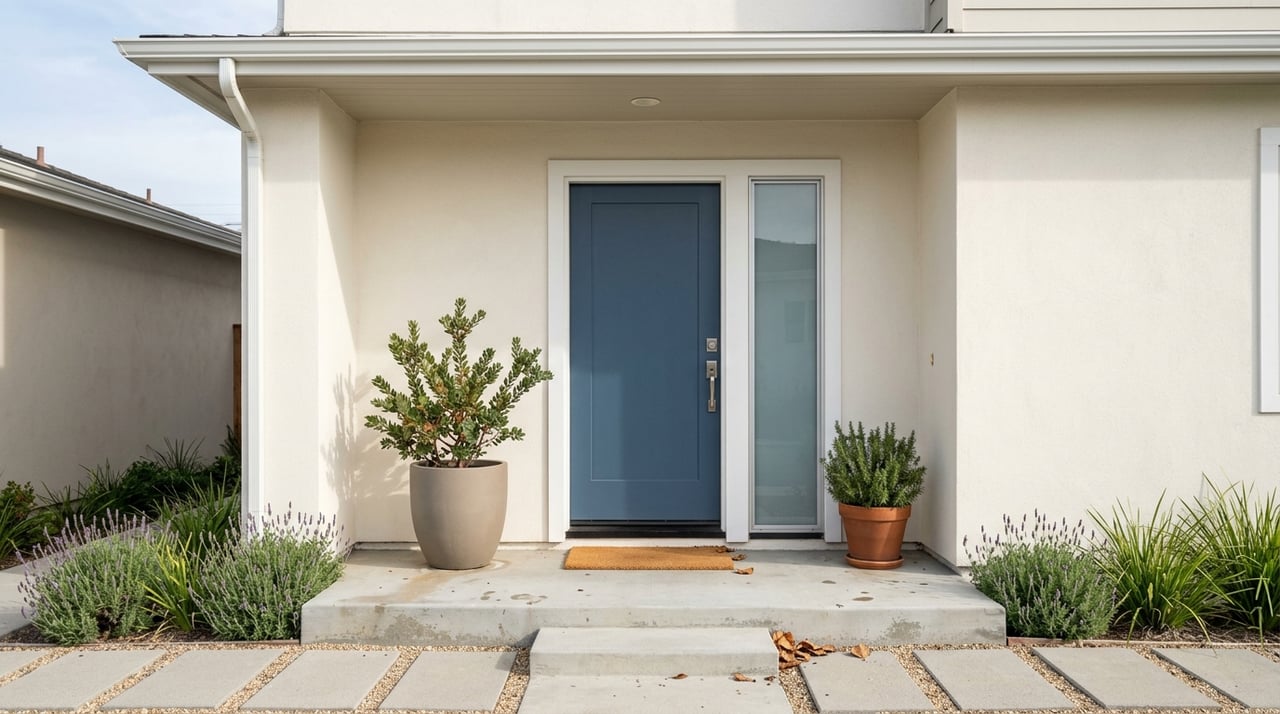
Selling a townhome in Santa Clara County can feel like a balancing act. You want your home to look polished and move-in ready, but you also need to be prepared for the extra HOA documents and buyer questions that come with an attached property. The good news is that with the right prep, you can make your townhome stand out and help buyers feel confident from day one. Let’s dive in.
Why townhome prep matters here
Santa Clara County buyers are shopping in a competitive but selective market. In May 2026, common-interest homes in the county had a median sale price of $959,000, sold in 20 days, and closed at 101% of list price, with 995 homes on the market.
That means buyers are still paying strong prices, but they also have options. When buyers can compare many similar homes, condition, presentation, and clear disclosures matter even more.
It also helps to remember that Santa Clara County is not one uniform market. February 2026 condo and townhome median prices ranged from about $728,000 in Campbell to about $1.46 million in Sunnyvale, with San Jose around $785,000, Milpitas around $935,000, and Santa Clara around $1.10 million.
Start with the HOA package
For a townhome sale in California, the home itself is only part of what the buyer is reviewing. If your property is in a common-interest development, the buyer automatically becomes a member of the HOA.
That is why the HOA document package should be one of your first steps, not an afterthought. Under California Civil Code 4525, sellers of resale properties in these communities need to provide key HOA documents and financial information.
What to gather early
Your HOA resale package may include:
- CC&Rs and other governing documents
- Current regular assessments and fees
- Any special assessments
- Unpaid assessments or fines
- Unresolved violation notices
- Rental restrictions, if any
- Recent budget and financial documents
- Board minutes, if requested
- Applicable inspection reports
Under California Civil Code 4530, the HOA has 10 days to provide requested documents. That is a big reason to order the packet before photos are done and before the listing goes live.
Why paperwork affects buyer confidence
Buyers are not just evaluating your kitchen, flooring, or paint colors. They are also looking at dues, reserves, rules, maintenance history, and whether there are pending issues that could affect ownership costs or future repairs.
If you can provide clean, organized disclosures early, you reduce uncertainty. That can help your home feel easier to say yes to.
Fix visible maintenance first
Before you spend money on décor, focus on the issues buyers notice right away. In a market with nearly 1,000 active common-interest listings, visible maintenance can shape how your home stacks up against the competition.
Start with the basics that make a home feel cared for and move-in ready. Even small unfinished items can make buyers wonder what else has been deferred.
Townhome repair priorities
Pay close attention to:
- Interior paint touch-ups or full repainting if needed
- Trim condition
- Flooring transitions
- Caulk and grout
- Lighting updates
- Doors and hardware
- Signs of water intrusion
- Deferred maintenance
- Noticeable noise concerns
These are not flashy upgrades, but they often deliver the strongest first impression. Buyers tend to respond well to homes that feel clean, functional, and easy to live in from the start.
Address acoustics, privacy, and work-from-home function
Shared walls change the way buyers experience a home. In Santa Clara County, where many households value efficiency and flexible daily living, noise control and work-from-home setup can be especially important.
Realtor.com’s 2025 trend report found strong year-over-year growth in buyer interest for soundproofing, acoustic panels, home office or Zoom room space, and hardwired Ethernet or Cat6. For townhomes, those features can help a home feel more practical and comfortable.
Smart ways to present these benefits
If your townhome already has improvements in these areas, make sure they are easy to notice. You may want to:
- Stage a nook or spare room as a clear office space
- Point out hardwired internet connections if they exist
- Highlight upgraded windows or doors if they help with noise control
- Show how the layout supports privacy and flexible use
You do not need to overstate anything. Just help buyers see how the home works for modern routines.
Make outdoor space feel usable
Townhomes often win buyers over with low-maintenance living, but outdoor areas still matter. A small patio, balcony, or entry space can add a lot when it feels intentional and inviting.
Buyer interest in indoor-outdoor design has been rising, and many buyers are willing to trade size for flexibility, wellness, and connection. That makes even compact outdoor areas worth staging carefully.
Simple staging ideas for outdoor areas
Consider:
- A small seating set on the patio or balcony
- Potted greenery for a fresh, clean look
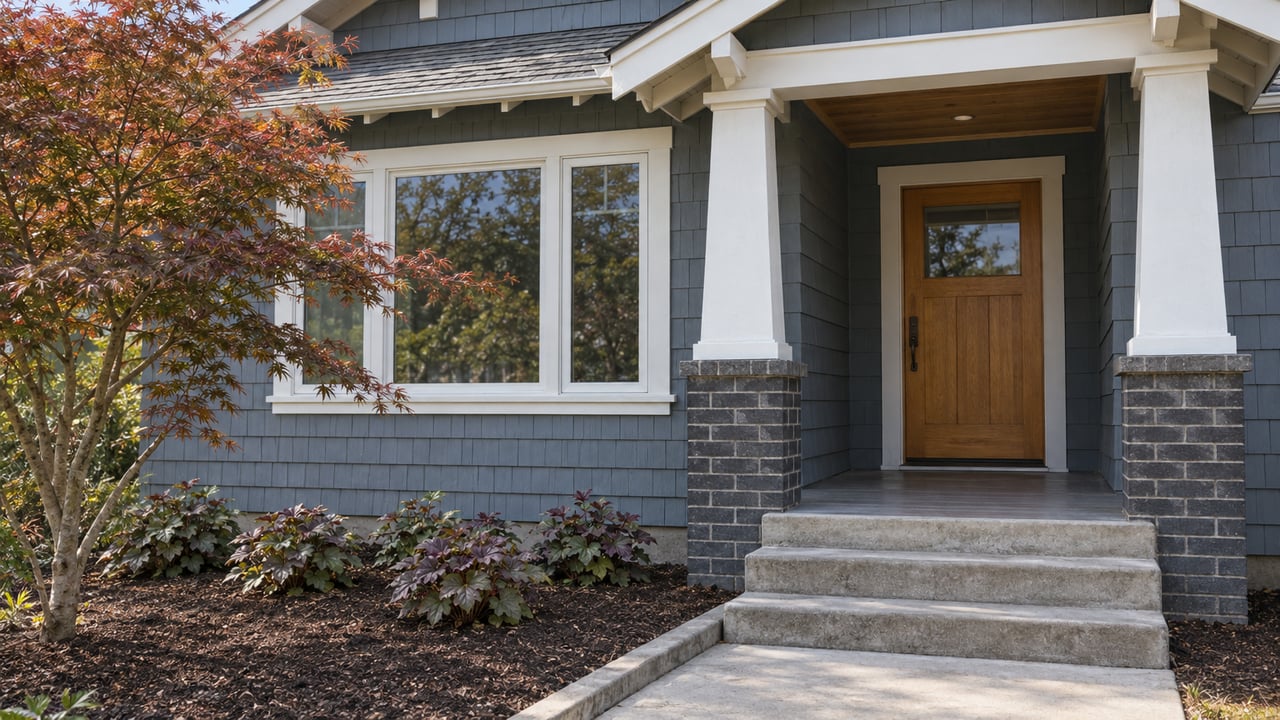
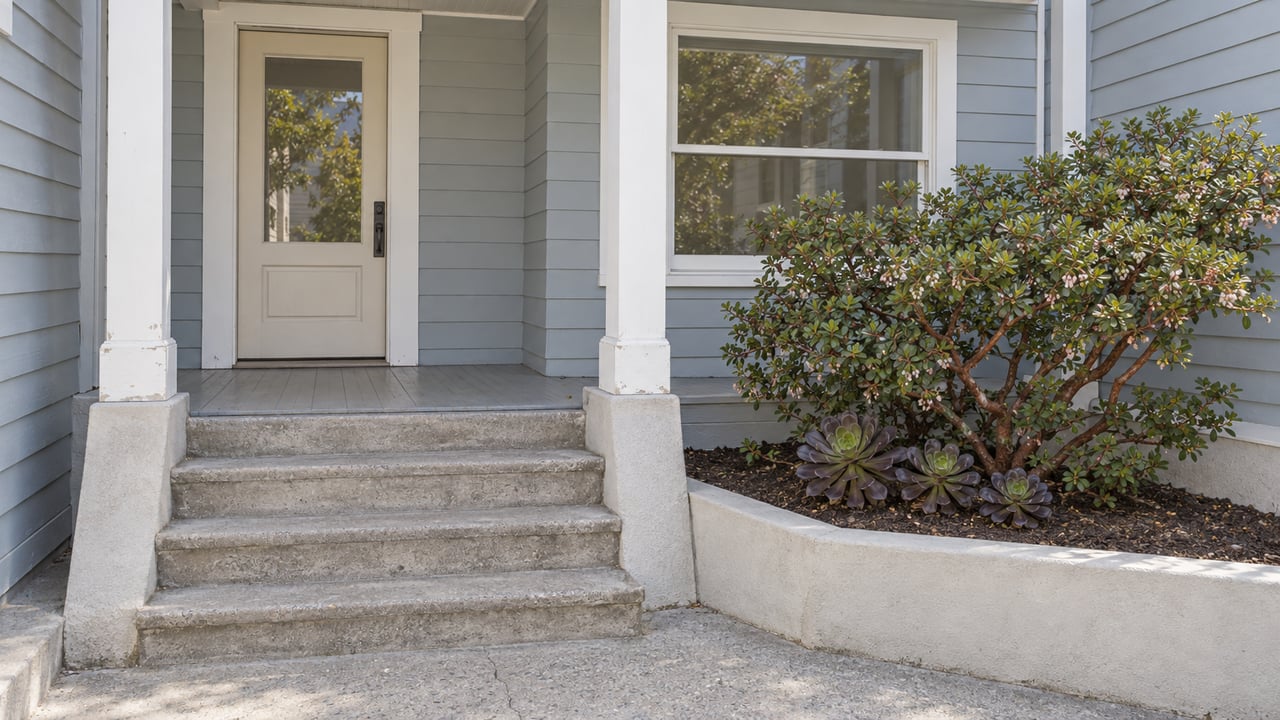
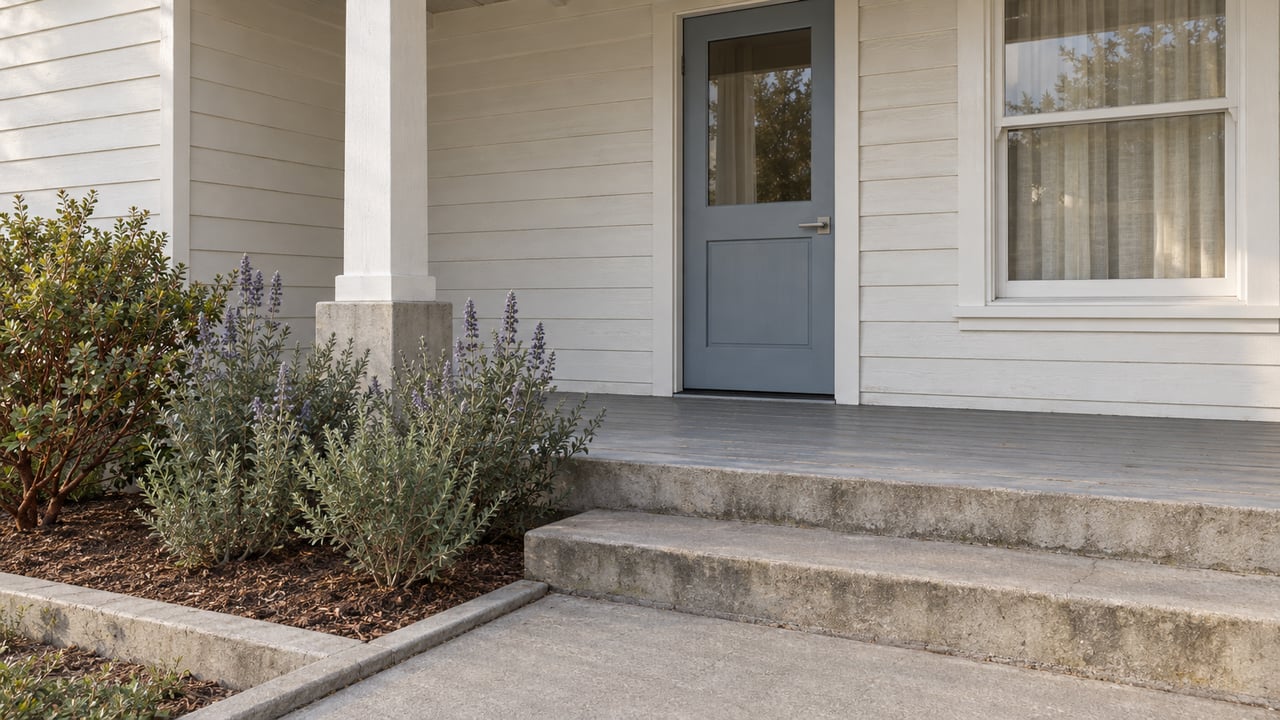
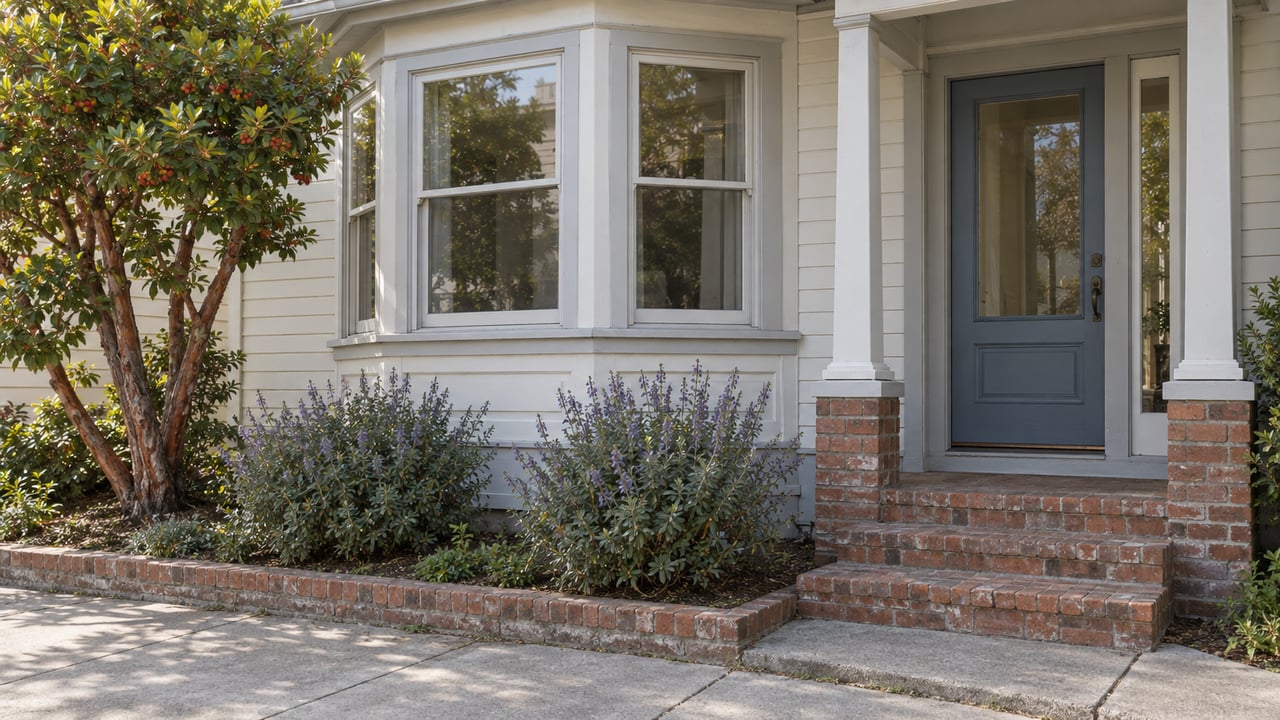
- A tidy front entry with a defined welcome point
- Light styling that shows the space is usable without feeling crowded
The goal is to help buyers picture an easy morning coffee spot, a place to unwind, or an extension of the living area.
Highlight practical upgrades
Townhome buyers in Santa Clara County often value improvements that make daily life simpler. Efficient, low-hassle features can be more appealing than upgrades that look expensive but add little function.
If your home has practical updates, make sure they are documented and featured in the marketing. Realtor.com’s 2025 trends showed strong growth in EV charging, water-saving fixtures, and other efficiency-focused features.
Upgrades worth calling out
Examples include:
- EV charging
- Water-saving fixtures
- Newer HVAC systems
- Added insulation
- Smart lighting
- Other efficiency-minded improvements
These features support the low-maintenance lifestyle many attached-home buyers want. They can also help your townhome feel current without requiring major renovation.
Stage for flexibility, not just size
Townhomes do not always compete on square footage alone. Often, they compete on how well the space works.
NAR’s 2025 trade-off study found buyers were increasingly willing to accept a smaller home, a smaller or no garage, and smaller room sizes if the layout offered flexibility. That means smart staging can do a lot of heavy lifting.
Show how each area works
Try to make every major space feel purposeful. For example:
- Set up a dining area clearly, even if it is compact
- Use a loft or landing as a reading or work zone if appropriate
- Organize closets and storage areas to show capacity
- Keep furniture scaled to the room so traffic flow feels easy
A well-staged townhome feels efficient, open, and adaptable. That often matters more than trying to make the home feel larger than it is.
Market the lifestyle around the home
Your home is the center of the sale, but the surrounding area also shapes buyer interest. NAR research found that buyers increasingly value access to nature, trails, coffee shops, casual eateries, small parks, and open space.
In Santa Clara County, it can also be helpful to frame the home around convenience and day-to-day livability. The county describes itself as a major hub of innovation and technology, with major employers including Google, Apple, Adobe, Zoom, Cisco, Nvidia, and Intel.
What to emphasize in your listing strategy
Depending on your location, strong selling points may include:
- Convenience to major job centers
- Easy daily routines and lower-maintenance living
- Nearby parks, trails, or open space
- Access to coffee shops, dining, or mixed-use amenities
- A layout that supports both home life and work life
This kind of positioning helps buyers picture how the home fits into their routine, not just how it looks in photos.
Follow a smart prep timeline
When you are getting ready to sell, sequence matters. A rushed launch can create stress and missed details, especially with HOA documents involved.
A more organized approach gives you time to fix issues, stage well, and release disclosures with confidence.
Recommended order of steps
- Review HOA documents and order the resale packet early
- Confirm whether any assessments, violations, reserve concerns, or inspection-related issues are pending
- Fix visible maintenance items
- Complete cosmetic refresh and staging
- Photograph the home after repairs and staging are complete
- Release disclosures early when the home hits the market
This process helps your listing feel polished and transparent. That combination can make a real difference when buyers are comparing similar townhomes.
The bottom line for Santa Clara County sellers
Preparing a townhome for sale in Santa Clara County is about more than making the interior look nice. You are also selling the ownership experience, which includes HOA health, maintenance history, functionality, and ease of living.
When you start with the paperwork, take care of visible repairs, and present the home in a clean and practical way, you give buyers fewer reasons to hesitate. In a market where attached homes can still move quickly but buyers have choices, thoughtful preparation can help you protect value and attract stronger offers.
If you want a calm, hands-on plan for selling your townhome in Santa Clara County, Michelle Kennedy offers full-service seller preparation, repair coordination, staging guidance, and targeted marketing to help you put your home on the market with confidence.
FAQs
What documents do you need to sell a townhome in Santa Clara County?
- You typically need the HOA resale package, which may include governing documents, assessment information, financials, unresolved violation notices, rental restrictions, requested board minutes, and applicable inspection reports under California Civil Code 4525.
How early should you order HOA documents for a Santa Clara County townhome sale?
- You should order them as early as possible because California Civil Code 4530 gives the HOA 10 days to provide requested documents, and waiting can delay your listing timeline.
What repairs matter most before listing a townhome in Santa Clara County?
- The most important prep items are usually visible maintenance issues such as paint, trim, flooring transitions, caulk, grout, lighting, doors, hardware, and any signs of water intrusion or deferred maintenance.
How should you stage a Santa Clara County townhome for buyers?
- Focus on move-in-ready presentation, flexible living areas, usable outdoor space, organized storage, and practical features like office setup, privacy, and easy daily function.
What do buyers look for in a Santa Clara County townhome?
- Buyers often look for clear HOA information, strong overall condition, flexible layout, low-maintenance living, useful upgrades, and convenient access to work, parks, trails, and everyday amenities.