Should you take advantage of today’s buyers or hold out for spring’s buzz? If you own in Contra Costa, timing your sale can feel like a high‑stakes decision. You want the strongest price and a smooth sale, without second‑guessing your choice. In this guide, you’ll learn how seasonality actually plays out in the East Bay, which real-time metrics matter most, and a simple decision framework to help you choose with confidence. Let’s dive in.
Contra Costa seasonality at a glance
Seasonality is real in the Bay Area, including Contra Costa. Buyer traffic typically increases in spring, and many markets see median sale prices peak between March and June. Late fall and winter usually bring fewer listings and a smaller buyer pool. That said, the seasonal price difference is often smaller than many expect, commonly a few percent.
It’s also not guaranteed. A spring price lift can be reduced by a flood of new listings, changing mortgage rates, or shifts in local employment. Winter can work to your advantage if supply is tight and motivated buyers are active. The key is to pair seasonal patterns with current, neighborhood-level data before you decide.
Market metrics that matter more
Season alone should not decide your strategy. Local supply, demand, and buyer affordability often outweigh the calendar. Use these indicators to gauge today’s leverage in your immediate area:
- Months of Inventory (MOI). Under 3 months typically favors sellers, 3 to 6 months is balanced, and over 6 months favors buyers. Many Contra Costa submarkets vary widely, with central hill towns like Lafayette, Orinda, and Moraga often tighter than outer cities like Antioch and Pittsburg.
- Median Days on Market (DOM). Short and declining DOM suggests stronger demand. Rising DOM can indicate softening.
- Sale-to-List Price Ratio (SP/LP). Above 100 percent often signals bidding pressure. Around 97 to 100 percent suggests balanced conditions. Below 97 percent points to buyer leverage.
- Pending-to-Active ratio. A higher share of pendings relative to actives shows buyers are absorbing inventory.
- Percent of price reductions. A larger share of reductions can signal overpricing or weaker demand.
- Seasonal indicators. Watch new listings per week and historical new‑listing spikes in your neighborhood as spring approaches.
- Affordability context. Mortgage-rate trends and the mix of cash versus financed buyers affect how quickly good listings move.
Collect these at the city or neighborhood level over the last 30 to 90 days. Compare the trend, not just a single data point, to see if conditions are improving or cooling.
Decision framework: sell now or wait
Use these scenarios as a practical filter. Match your situation to the market signals above.
List now if any of these apply
- You face a time-sensitive move, purchase, or financial deadline.
- MOI is low and DOM is short in your micro‑market, indicating seller-friendly conditions even in winter.
- You prefer less competition and are comfortable trading a possible small spring premium for a faster, cleaner winter sale.
- Your home shines on interior strengths like a recent remodel, turnkey condition, home office, or HVAC upgrades.
- You’re open to pricing strategically to attract motivated winter buyers, including investors and cash purchasers.
Wait for spring if any of these apply
- You have flexible timing and can comfortably carry costs for several months.
- Metrics show softer demand, such as MOI over 3 to 4 months, rising DOM, and more price reductions.
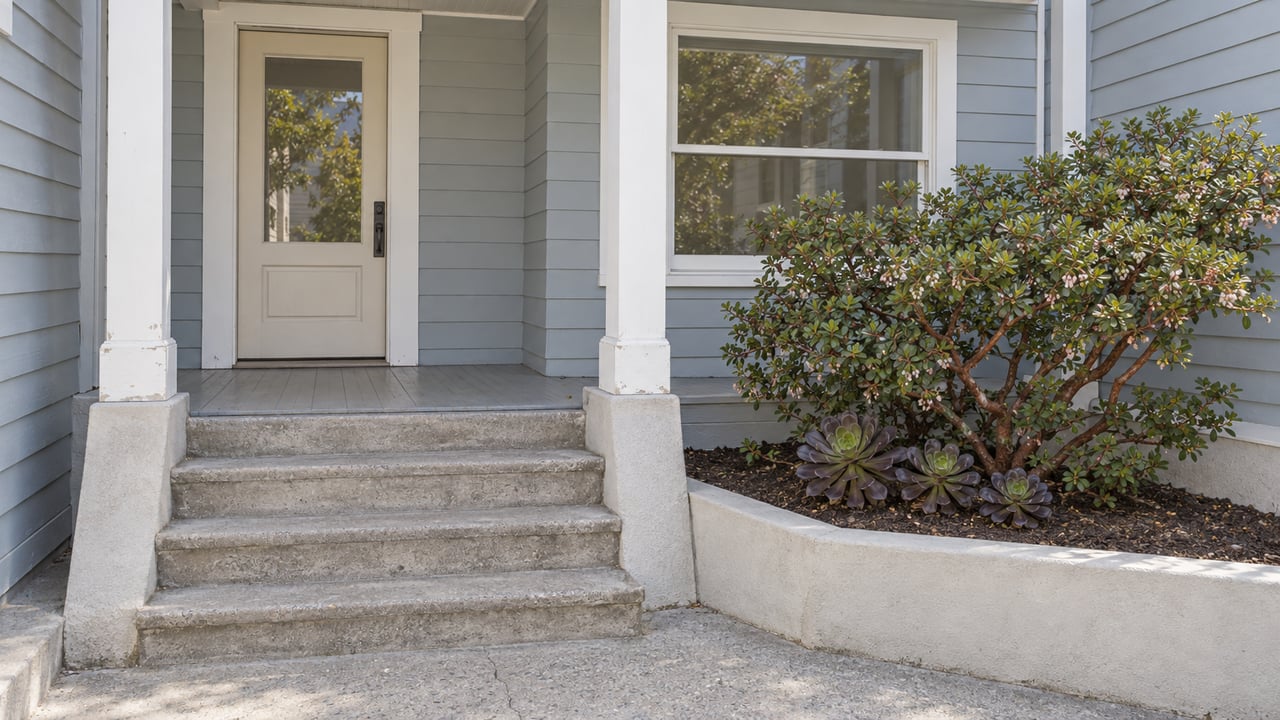
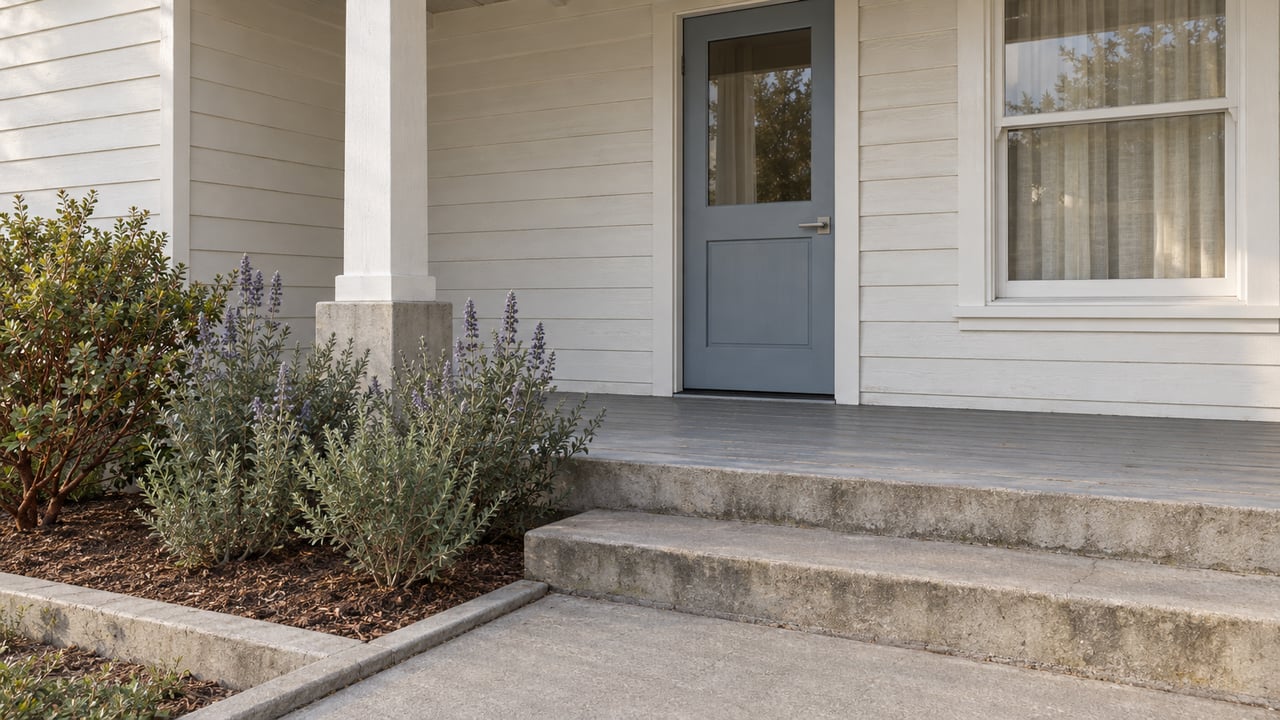
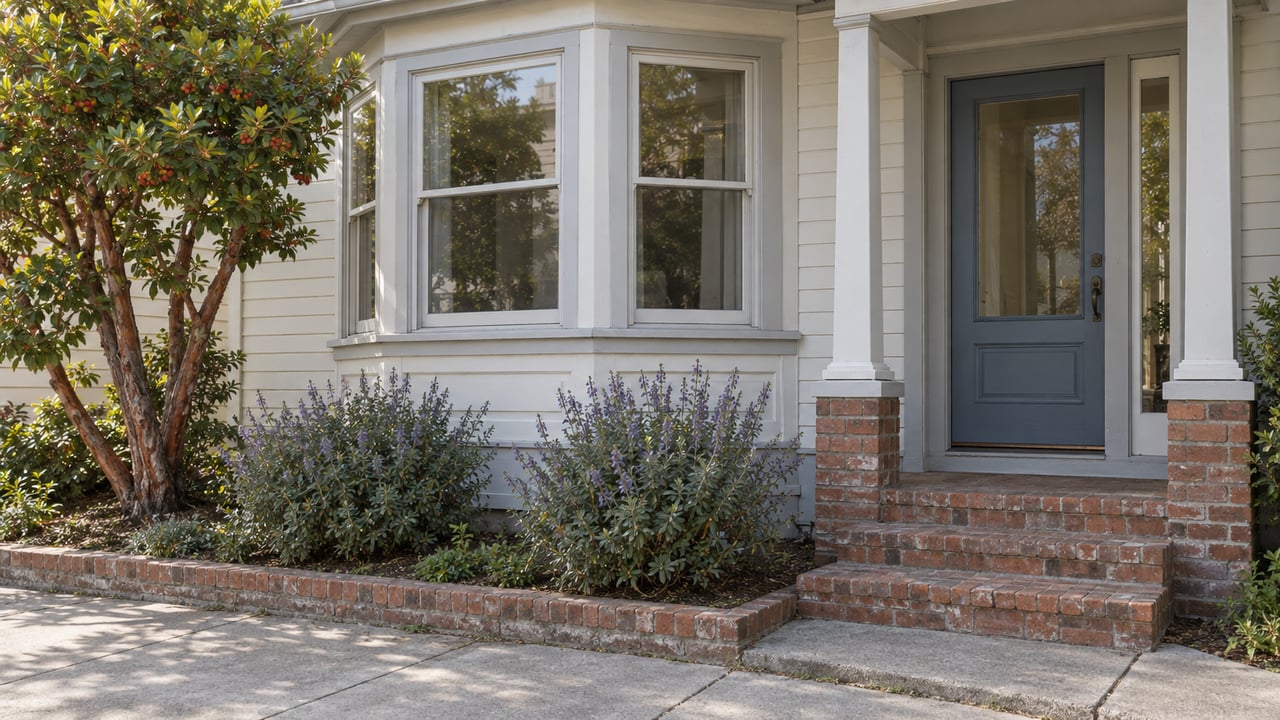
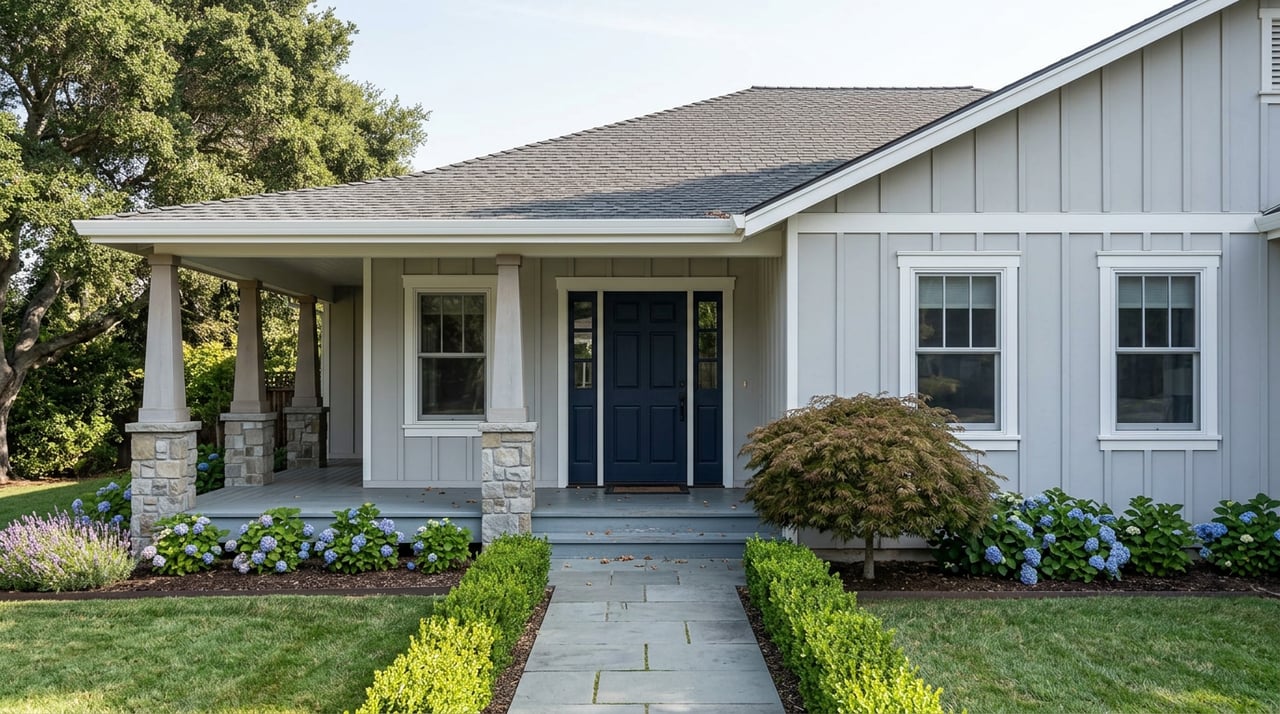
- Your property’s value depends on curb appeal, gardens, or outdoor living that shows best in spring.
- You need time for repairs, staging, or targeted updates to maximize net proceeds.
- You expect mortgage rates and buyer affordability to improve soon and your timeline aligns with that possibility.
A smart hybrid approach
- Prep now. Complete repairs, staging plans, and photography in late winter.
- Be early to market. Aim for a late February to April launch to catch the first spring wave.
- Consider a quiet pre-market strategy. Gauge interest through coming‑soon channels or agent outreach without diving into the most crowded weeks.
Property-type and neighborhood nuances
Not all homes follow the same seasonal curve. Single-family homes that draw family buyers often see stronger demand in spring, aligning with school-year timing. Condos and turnkey urban properties can sell more steadily year‑round because buyers prioritize location and commute over seasonal landscaping.
Neighborhood dynamics matter. Central hill towns may have tighter supply, while outer markets can offer more choices for buyers. Your best move is to track MOI, DOM, and SP/LP in your exact area and price band, then decide whether the buyer pool for your property is more active now or likely to expand by spring.
Run the numbers for your home
A clear, simple worksheet can turn guesswork into confidence:
- Local market check. Pull MOI, DOM, SP/LP, pending‑to‑active, and percent of price reductions for your city or neighborhood over the last 30 to 90 days. Note whether trends are strengthening or softening.
- Carrying costs. Add your monthly mortgage interest, property taxes, insurance, HOA (if any), utilities, and maintenance. Multiply by the months you might wait.
- Price scenarios. Compare current comps and likely list-to-sale outcomes now versus a potential spring price lift. Use your local SP/LP trend to estimate.
- Property strengths. Decide whether your home’s best features are interior‑focused or curb‑appeal driven.
- Buyer affordability. Consider rate direction and the share of cash versus financed buyers in your area. Improving affordability can boost spring demand.
- Timing priorities. Weigh move logistics, school calendars, and any relocation or tax deadlines.
If the expected spring premium is smaller than your carrying costs, or if supply is very tight today, selling now may be the better financial choice. If your numbers show meaningful spring upside and you can wait comfortably, invest in preparation now and target an early spring launch.
Season-specific prep checklists
If listing this winter
- Price to the market. A sharp initial price can draw motivated buyers in a smaller winter pool and shorten time on market.
- Lead with interiors. Spotlight kitchen and bath updates, work-from-home setups, and year-round systems like HVAC.
- Elevate visuals. Use bright, professional interior photos and consider virtual tours for out-of-area buyers.
- Maximize showings. Offer flexible schedules and quick response times to capture serious buyers.
- Vet buyer strength. Prioritize solid pre-approvals or verified funds, and be clear on timelines for inspections and lending.
If aiming for spring
- Knock out high-impact updates. Fresh paint, minor kitchen or bath refreshes, lighting, and hardware can lift perceived value.
- Plan curb appeal. Clean-up, mulch, and plantings timed to bloom for photography and first showings.
- Stage and schedule. Prepare a staging plan and book photography so you can list quickly when buyer traffic rises.
- Watch weekly metrics. Track MOI, DOM, and SP/LP, plus new listings in your micro‑market. List into a window where supply is steady or shrinking.
Must-do in any season
- Get a current CMA with 30/60/90‑day comps and an active vs. pending snapshot.
- Consider a pre-listing inspection for transparency on major items.
- Estimate closing costs and net proceeds so pricing aligns with your goals.
- Build a move timeline that coordinates contractors, staging, and your next housing step.
Your best next step
There is no one-size-fits-all answer to selling now versus waiting. With the right local metrics and a clear view of your timing and budget, you can choose the path that best protects your price and peace of mind. If you want help pulling neighborhood data, pricing to today’s demand, and coordinating prep and staging, you do not have to figure it out alone.
FAQs
Are spring sale prices always higher in Contra Costa?
- Spring often brings more buyer traffic and sometimes higher median prices, but it is not guaranteed. Local supply, rates, and employment can offset seasonal gains.
How much might I give up by selling in winter?
- Seasonal differences are often a few percent, but results are highly local. Compare current MOI, DOM, and SP/LP in your neighborhood to estimate likely variance.
Do buyers negotiate harder in winter months?
- Winter buyers are fewer but often motivated. In low-inventory areas, sellers can retain leverage; in softer markets, buyers can negotiate any time of year.
Should I wait until my yard looks its best?
- If curb appeal is a key value driver, spring may enhance buyer interest. If your home’s strengths are interior and turnkey, winter can still perform well.
Does the school-year calendar affect timing?
- Many families prefer to move in late spring or early summer, which can boost demand for single-family homes in those months.
What if mortgage rates drop before spring?
- Improving rate expectations can quickly increase buyer activity. If that aligns with your timeline, waiting can make sense; keep monitoring weekly trends.
Ready to run the numbers on your home and map the best timeline? Reach out to Michelle Kennedy for a personal, data-informed consultation and a full-service plan to prepare, price, and market your sale.