Trying to picture what your days would feel like block by block in San Francisco? You are not alone. Neighborhoods here can change quickly in sunlight, vibe, noise, and housing style, and those shifts shape daily life more than you might expect. In this guide, you will get a grounded look at central neighborhoods, key tradeoffs, and simple steps to narrow your shortlist with confidence. Let’s dive in.
How San Francisco feels day to day
San Francisco is a city of microclimates. Western and northern edges are often cooler and foggier, while the eastern and central corridors tend to be sunnier and warmer. You will likely keep layers nearby all year, and sunlight preference should be part of your search.
Transit and mobility options are strong across the core. Muni buses and light rail, BART, Caltrain, and ferries connect the city and the region. Many central neighborhoods are very walkable and bikeable. Car ownership is common, but parking is often limited and expensive. Your commute needs will steer you toward certain blocks and stations.
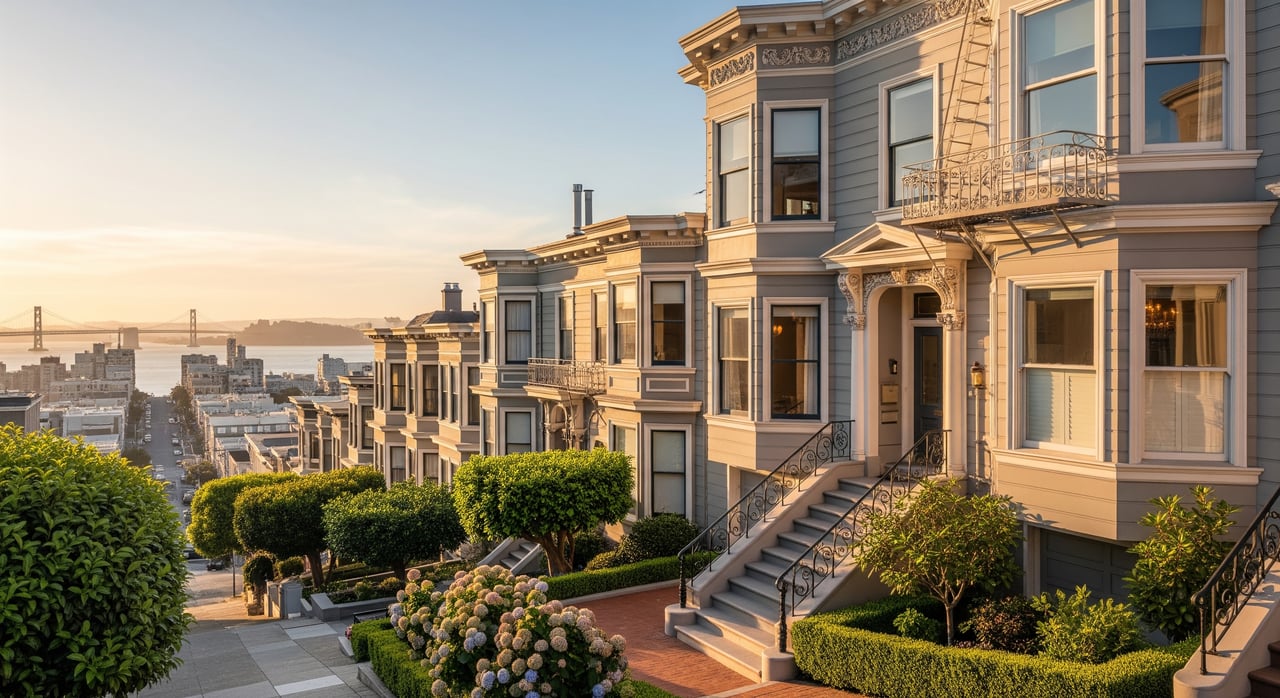
Housing types vary by street. You will see Victorian and Edwardian single families and flats, small two to three unit buildings, mid‑century apartments, and newer condos around SoMa, Mission Bay, and parts of the Mission. If you plan to buy a multiunit building or a condo, expect different rules, fees, and maintenance considerations.
Lifestyle involves tradeoffs. You balance walkability, dining, nightlife, green space, schools, noise, and parking. There is no single perfect neighborhood. The right fit depends on what you want to feel when you step outside your door.
Costs and rules matter. Property values are high relative to national averages. California tax rules and San Francisco regulations can affect your budget and ownership plans. Condos often include HOA dues, and some older buildings may need seismic retrofits. Earthquake insurance is a separate decision for many buyers.
Neighborhood snapshots
Use these quick profiles as a starting point. Boundaries are informal, and character can shift by block. Visit in person at different times of day to confirm your impressions.
Mission District
- Vibe: Lively with deep Latino roots, colorful murals, a standout food scene, and an energetic street life shaped by a growing tech presence.
- Housing: Mix of flats and multiunit buildings, some Victorians, and a rising number of new condos.
- Best for: Food lovers, creatives, and anyone who wants nightlife and strong transit access.
- Transit & parking: Two BART stations and many buses; street parking is tight on popular corridors.
- Green & scene: Dolores Park is a major social hub; countless eateries and bars nearby.
- Tradeoffs: Night noise and foot traffic; property crime and theft can be a concern on some blocks.
- Pricing: High demand with block‑to‑block variation.
South of Market (SoMa)
- Vibe: Urban and tech‑forward with lofts, office towers, and pockets of nightlife. Daytime energy is strong.
- Housing: New high‑rise condos and converted warehouses, especially near South Beach and Mission Creek.
- Best for: People who want modern amenities and proximity to downtown.
- Transit & parking: Excellent BART and Muni access; close to Caltrain; structured parking in some buildings.
- Green & scene: Plazas and pocket parks; events near Oracle Park; trendy restaurants and venues.
- Tradeoffs: Can be noisy near event spaces and highways.
- Pricing: Generally high for newer developments, though inventory cycles.
Hayes Valley
- Vibe: Polished and walkable with boutiques, cafes, and a close‑knit feel.
- Housing: Renovated Victorian flats and boutique condos in small multifamily buildings.
- Best for: Professionals who want a refined, compact neighborhood.
- Transit & parking: Good transit; easy to live car‑light.
- Green & scene: Patricia’s Green is the local hangout; dining is upscale, nightlife quieter.
- Tradeoffs: Popularity drives pricing and competition for select homes.
- Pricing: Upper‑mid to high for the central location and charm.
Pacific Heights / Presidio Heights
- Vibe: Classic San Francisco with grand homes, sweeping views, and formal streets.
- Housing: Large single‑family homes, restored Victorians, and luxury condos.
- Best for: Buyers seeking high‑end housing and access to nearby parks.
- Transit & parking: Transit is available but less central; many residents use cars, with parking varying by property.
- Green & scene: Alta Plaza, Lafayette Park, and Presidio trails are close; evenings are calm.
- Tradeoffs: Premium pricing and limited inventory for larger single‑family homes.
- Pricing: Among the highest in the city.
Marina District
- Vibe: Active and social with waterfront access, cafes, and a lively weekend scene.
- Housing: Early 20th‑century buildings and flats; some newer developments.
- Best for: People who enjoy outdoor recreation and a buzzy restaurant strip.
- Transit & parking: Fair transit; walking and biking are popular; parking is competitive near Chestnut and Union.
- Green & scene: Crissy Field and marina paths invite daily activity; many bars and restaurants.
- Tradeoffs: Weekend noise, congestion, and limited parking in core areas.
- Pricing: Upper‑mid to high with strong demand.
Nob Hill / Russian Hill
- Vibe: Historic and central with steep streets, views, and landmark hotels.
- Housing: Prewar apartments, historic condos, and some single‑family pockets on quieter blocks.
- Best for: Central‑city living with access to downtown and neighborhood dining.
- Transit & parking: Very central; steep walks; parking is tight.
- Green & scene: Huntington Park and small green spaces; mix of local and tourist‑oriented eateries.
- Tradeoffs: Tourist activity near cable car lines can add noise and congestion.
- Pricing: High.
North Beach / Chinatown
- Vibe: Dense, vibrant districts with strong cultural identities and constant foot traffic.
- Housing: Small flats and walk‑ups, plus historic townhomes in select spots.
- Best for: Those who want urban energy and cultural amenities.
- Transit & parking: Very walkable with good transit; narrow streets make driving and parking tough.
- Green & scene: Washington Square Park is a community anchor; outstanding small restaurants and cafes.
- Tradeoffs: Higher noise and tourist activity; property crime risk can rise in crowded areas.
- Pricing: Mid to high depending on the block.
Castro / Noe Valley
- Vibe: Castro is a historic LGBTQ+ center with active nightlife; Noe Valley is sunny and village‑like with a calmer pace.
- Housing: Castro offers apartment buildings and Victorian flats; Noe features single‑family homes, row houses, and low‑rise condos.
- Best for: Castro suits people who want community events and nightlife; Noe attracts those seeking a sunnier, quieter neighborhood.
- Transit & parking: Good transit corridors; Noe has somewhat easier street parking, though it is still limited.
- Green & scene: Dolores Park nearby; Noe has playgrounds and community spaces; varied dining options in both.
- Tradeoffs: Weekend noise in the Castro; higher pricing for family homes in Noe.
- Pricing: Noe Valley is premium; Castro ranges from mid to high.
Inner Sunset / Outer Sunset
- Vibe: Inner Sunset is neighborhoody with a busy main street near UCSF; Outer Sunset is quieter and beach‑oriented.
- Housing: Predominantly flats and single‑family homes with post‑war and mid‑century character.
- Best for: Those who want calmer streets and easy access to Golden Gate Park and Ocean Beach.
- Transit & parking: Muni N and J lines serve Inner Sunset; Outer Sunset relies more on buses and cars; parking is easier than downtown.
- Green & scene: Golden Gate Park is the backyard; dining is local and low‑key.
- Tradeoffs: Fog and wind are more common, especially farther west.
- Pricing: Inner Sunset mid to high; Outer Sunset more moderate but rising.
Richmond District (Inner & Outer)
- Vibe: Residential and diverse with strong neighborhood businesses and easy park and beach access.
- Housing: Edwardian and Victorian flats, rowhouses, and single‑family homes.
- Best for: People who want quieter streets with local shopping and services.
- Transit & parking: Good bus service; more car‑friendly than the core.
- Green & scene: Along Golden Gate Park’s edge, near Baker Beach and Lands End; dining skews local, with many Asian eateries in the Inner Richmond.
- Tradeoffs: Nightlife is limited; property crime can occur on commercial corridors.
- Pricing: Varies by proximity to parks and the ocean; inner tends to be mid, outer more moderate.
Bernal Heights / Glen Park
- Vibe: Village feel with hilltop parks, views, and a quieter rhythm.
- Housing: Single‑family homes, rowhouses, and small apartment buildings.
- Best for: Buyers who value a calm, sunny microclimate and a close community feel.
- Transit & parking: Muni lines serve both; Glen Park BART offers regional access; car ownership is common.
- Green & scene: Bernal Hill and local parks; low‑key cafes and restaurants.
- Tradeoffs: Fewer big nightlife options; inventory for view homes can be competitive.
- Pricing: Upper‑mid for transit access and views.
Mission Bay
- Vibe: Newer, master‑planned with modern condos, biotech offices, and a campus feel.
- Housing: High‑rise and mid‑rise condos with contemporary amenities.
- Best for: People who want new builds, proximity to UCSF, and easy access to Caltrain.
- Transit & parking: Close to 4th & King, Muni lines, and bike routes; structured parking in many buildings.
- Green & scene: Pocket parks and planned open spaces; dining is growing and still maturing.
- Tradeoffs: Construction activity and daytime bustle in development phases.
- Pricing: New‑construction premiums and higher pricing for amenities.
How to choose your best fit
Use this simple checklist to narrow your search:
- Rank your priorities: commute time, sunlight preference, need for outdoor space, budget, desire for nightlife, and school or childcare needs.
- Test your commute at realistic times. Try at least two routes and modes.
- Visit at different times: weekday mornings, evenings, and weekends to gauge noise, foot traffic, and parking.
- Walk the immediate block and alleys. Check lighting, sidewalks, and daytime versus nighttime character.
- Shortlist three neighborhoods that best match your top three priorities. Keep a notes page for each.
Practical buyer tips for SF homes
- Parking and storage: Expect limited street parking in central areas. Confirm garage or covered parking and any storage options in the building.
- Building details matter: Ask about soft‑story seismic retrofits for older wood‑frame buildings. For condos or co‑ops, review HOA dues, reserves, elevator service, and special assessment history.
- Tenancy and rent rules: Many pre‑1979 buildings fall under local rent control for tenancies. If buying a multiunit with tenants, understand how it may affect your plans.
- Insurance and earthquakes: Standard homeowners policies often exclude earthquake damage. Review separate earthquake coverage, including deductibles and scope.
- Property taxes: California’s assessment model caps annual increases but reassesses at sale. Your tax bill will differ from long‑term owners.
- Schools and family needs: School options vary. Consider proximity to parks, childcare, and pediatric care alongside commute and housing type.
- Future development: Neighborhoods like SoMa and Mission Bay evolve quickly. If you are sensitive to construction or changing streetscapes, check city planning notices for your block.
When you are ready to explore
A successful San Francisco search starts with clarity on how you want to live each day. Once you define your top priorities, tour your shortlist at different times, and test the commute. From there, line up building facts, parking realities, and budget details so you can act with confidence when the right home appears.
If you want a calm, informed partner to help you compare neighborhoods and navigate offers, connect with Michelle Kennedy. You will get patient, data‑informed guidance and hands‑on support from the first tour to the final signature.
FAQs
Which San Francisco neighborhoods suit families best?
- Many buyers consider Noe Valley, Bernal Heights, the Inner Richmond, and parts of the Sunset and Pacific Heights for quieter streets, park access, and local services.
Where should I live for the best nightlife and food?
- The Mission, North Beach, Hayes Valley, the Marina, and parts of SoMa offer strong dining scenes and late‑night options.
What are the sunniest areas in San Francisco?
- Sunnier, warmer microclimates often include the Mission, Noe Valley, Bernal Heights, and parts of SoMa and the Inner Sunset.
How walkable are central neighborhoods?
- Many central districts are highly walkable, including the Mission, Hayes Valley, North Beach, Nob Hill, and areas near downtown.
Are there more affordable pockets to consider?
- “Affordable” is relative in San Francisco; buyers often look to the Outer Sunset, Outer Richmond, the Excelsior, and Visitacion Valley for comparatively lower entry points.
Should I buy a condo or a house in SF?
- Condos can offer lower entry prices and less maintenance but include HOA dues; single‑family homes cost more and provide more control and outdoor space.
What should I expect at open houses?
- Parking may be limited and pre‑registration is common, especially in multiunit buildings where different units may show on different days.