Wondering whether full-service prep is really worth it before you sell in Contra Costa County? In a market where pricing, timing, and buyer expectations can shift dramatically from one community to the next, the way your home hits the market matters. A thoughtful prep plan can help you present your home well, reduce surprises, and launch with more confidence. Let’s dive in.
Why prep matters in Contra Costa County
Contra Costa County is still a market where presentation can pay off. Recent market snapshots show a median listing home price of $779,900, a median sold price of $792,000, 3,103 active listings, and 30 median days on market, with the county characterized as a seller’s market.
Even so, Contra Costa County is not one uniform market. Median listing prices range from about $544,500 in Richmond and $599,000 in Antioch to about $1.999 million in Danville and $2.87 million in Alamo. Median days on market also vary, including 19 days in Orinda compared with 30 days countywide.
That spread is why a generic checklist is rarely enough. A smart prep strategy should match your neighborhood, your price point, and the likely expectations of buyers in your part of the county.
What full-service prep usually includes
A full-service prep plan is not always about taking on a major remodel. More often, it focuses on targeted improvements that help your home feel clean, cared for, and move-in ready.
Seller improvement trends point to cosmetic work first. In Zillow’s 2024 seller survey, 72% of sellers completed at least one improvement project, with common projects including interior paint, bathroom work, kitchen updates, landscaping, flooring or carpet repairs, and exterior paint.
That pattern matters because it suggests the highest-impact prep often comes from visible, practical updates. Instead of over-improving, you may get more value from refreshing surfaces, fixing wear and tear, and improving first impressions.
A full-service approach often includes:
- decluttering and simplifying rooms
- deep cleaning the entire home
- interior touch-ups or paint
- selective repairs
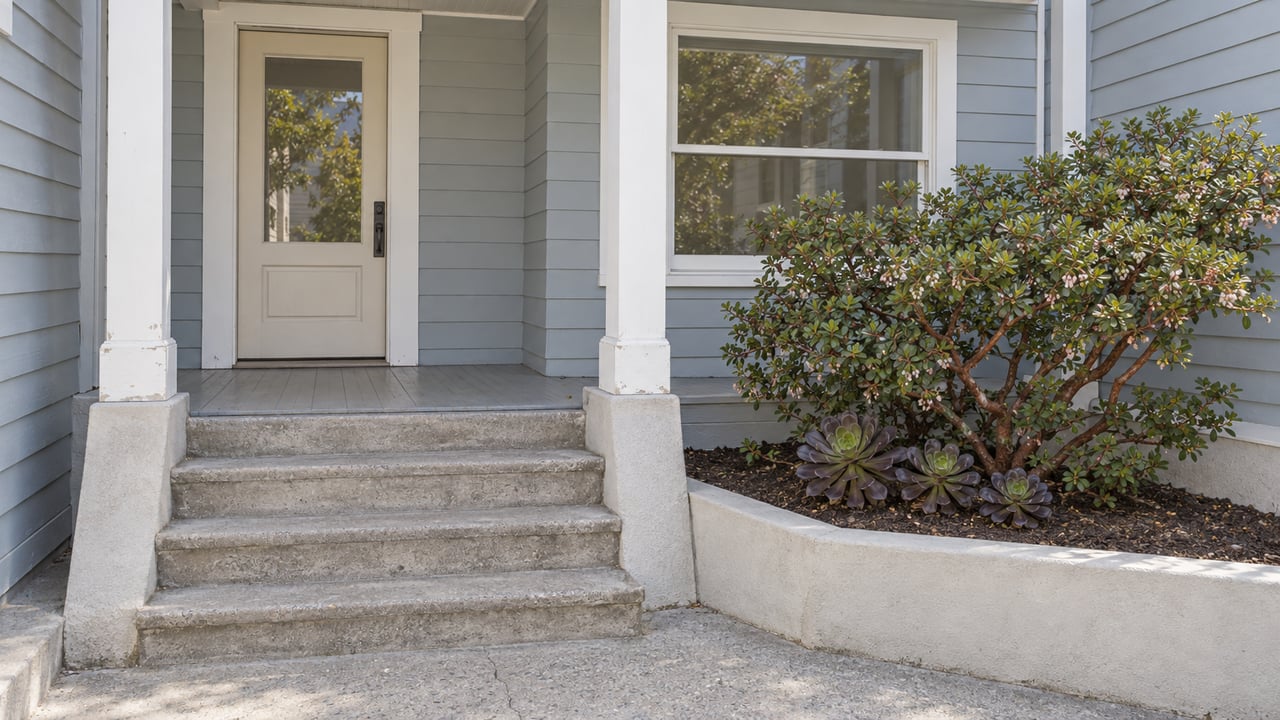
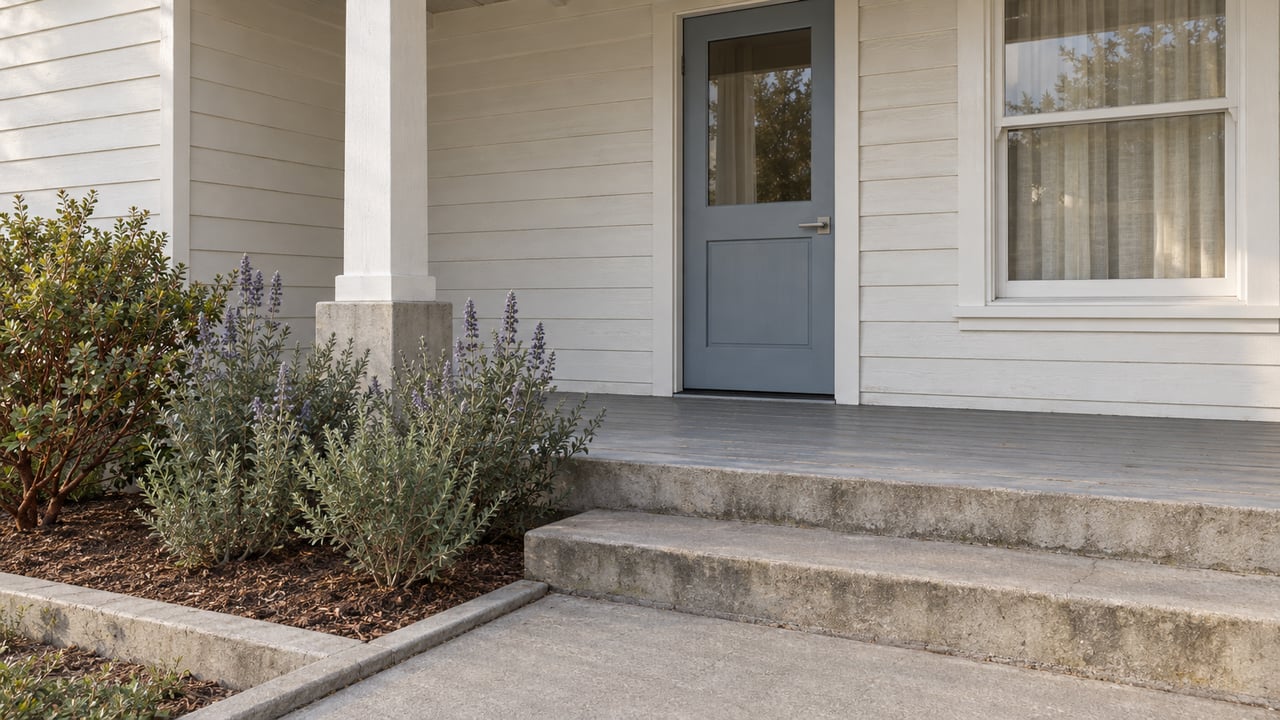
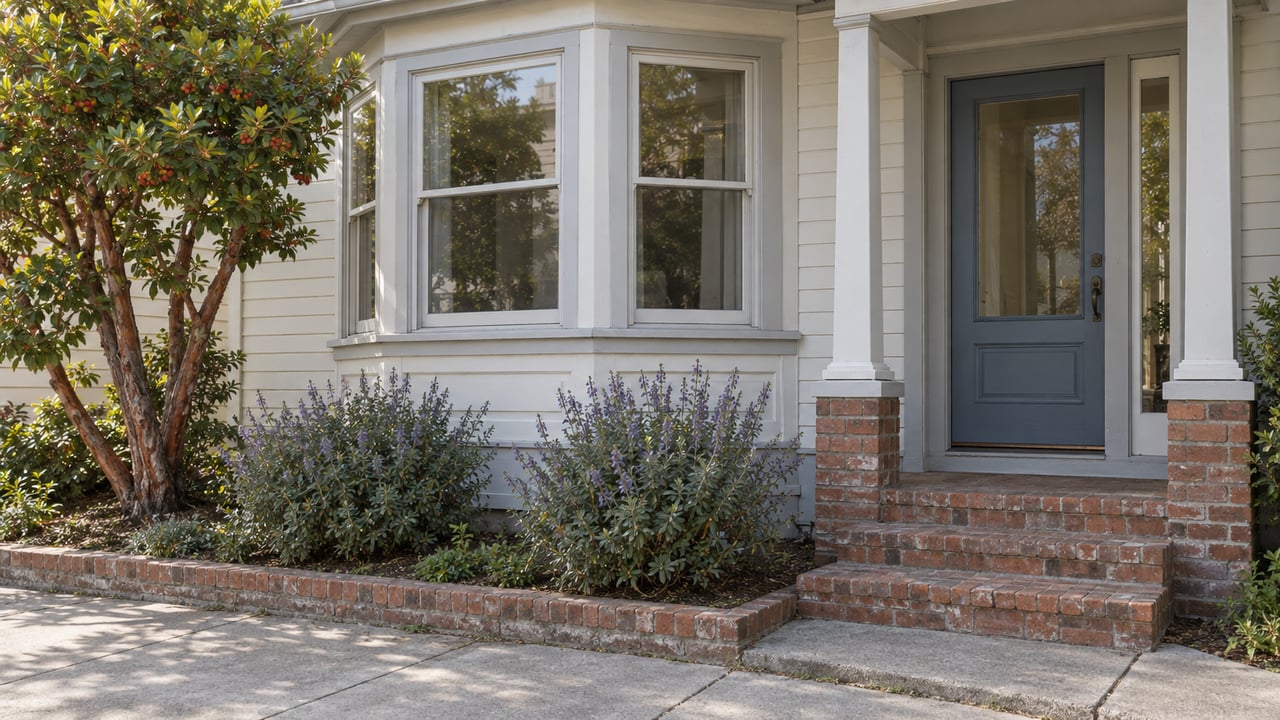
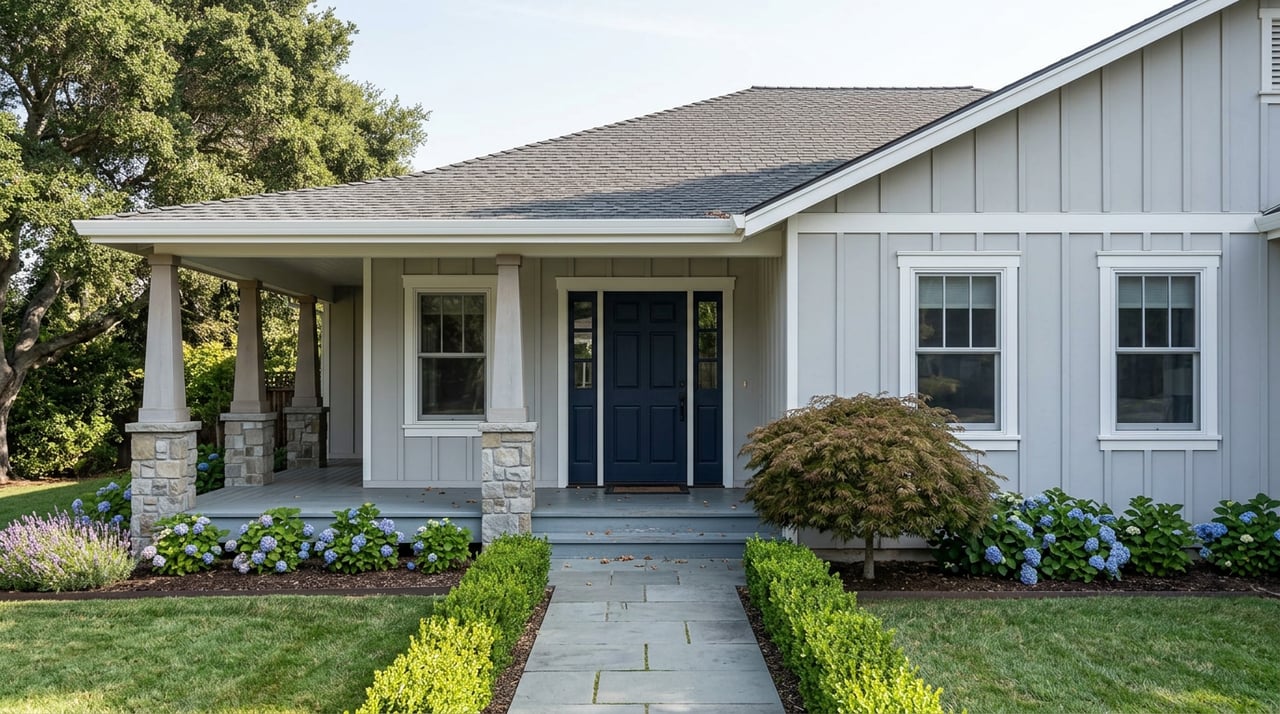
- landscaping and curb appeal work
- flooring or carpet updates where needed
- staging or styling key rooms
- photography, floor plans, and tours
- open house planning and launch coordination
- disclosure and hazard review before going live
The real benefit is coordination. Rather than juggling vendors, deadlines, and prep decisions on your own, you have one organized plan tied to the way your home will be priced and marketed.
Which updates usually matter most
In many Contra Costa County sales, the best prep choices are the ones buyers notice right away. Fresh paint, clean flooring, updated lighting, tidy landscaping, and small bathroom or kitchen improvements can make a home feel more polished without requiring a full renovation.
National seller data supports that approach. Among sellers who made improvements, interior paint was the most common project, followed by bathroom work, kitchen updates, landscaping, flooring or carpet repairs, and exterior paint.
These are often the updates that help photos look sharper, open houses feel better, and buyer objections stay smaller. In a market with a wide range of price bands and home styles, the goal is not to make every home look the same. The goal is to make your home feel well prepared for its segment.
Why staging still makes a difference
Staging is one of the clearest tools in a full-service prep plan. According to NAR’s 2025 Profile of Home Staging, 29% of agents said staging increased the dollar value offered by 1% to 10%, and 49% said staging reduced time on market.
That does not mean every home needs full-scale staging in every room. It means buyers respond to a home that feels easy to understand, comfortable to walk through, and visually balanced.
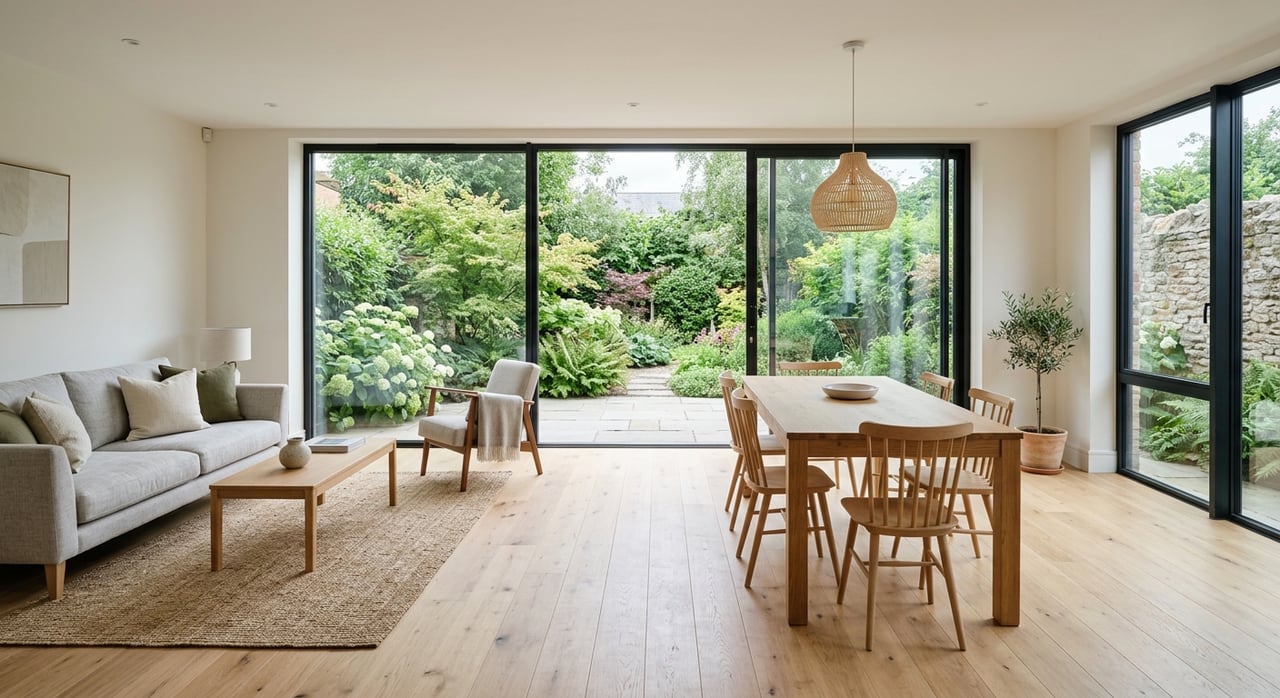
NAR found that buyers’ agents identified the living room as the most important room to stage, followed by the primary bedroom and kitchen. Sellers’ agents most often staged the living room, primary bedroom, dining room, and kitchen.
If you want to prioritize, start with the rooms that shape a buyer’s first and strongest impressions:
- Living room
- Primary bedroom
- Kitchen
- dining room, if it helps define the layout
Decluttering, cleaning, and curb appeal also remain foundational. NAR reported that 91% of sellers were advised to declutter, 88% were told to clean the whole home, and 77% were encouraged to improve curb appeal.
For budget-conscious sellers, staging can also be flexible. NAR reported a median staging-service cost of $1,500, compared with $500 when the listing agent handled staging. That makes staging less of an all-or-nothing decision and more of a strategic choice about where to invest.
Media is part of the prep strategy
Today, prep is not finished when the house looks good in person. It also needs to look strong online, because that is where most buyers first decide whether your home is worth a visit.
Zillow’s 2024 seller survey found that 78% of sellers were more likely to hire an agent who includes high-resolution photography, and 71% were more likely to hire an agent who includes virtual tours or interactive floor plans. On the buyer side, 86% said they are more likely to view a home if the listing includes a floor plan they like, and 70% said 3D tours help them get a better feel for the space than static photos.
NAR’s 2025 staging report reinforces that point. Buyers’ agents rated photos as highly important, followed by physical staging, videos, and virtual tours.
In other words, your listing package is not separate from your prep plan. It is one of the main reasons the prep work matters.
How a coordinated launch helps
A full-service sale is about more than preparing the house. It is also about preparing the launch.
Open houses still play a useful role. Zillow found that the median seller reported two open houses in 2024, and California’s Department of Real Estate notes that an open house helps the seller’s broker market the property, highlight selling points, and learn what issues prospective buyers are noticing.
That feedback loop is valuable. When prep, media, pricing, and open houses are coordinated, you are more likely to create momentum early and gather useful buyer reactions quickly.
A coordinated launch often includes:
- identifying the most important repairs and cosmetic updates
- scheduling staging and styling
- ordering photography, floor plans, and tours
- preparing disclosures and property documentation
- setting a launch timeline for showings and open houses
- collecting feedback and adjusting as needed
This kind of planning can be especially helpful for busy sellers, relocators, and families who do not have time to manage every moving part themselves.
Why disclosure review matters before listing
One of the most overlooked parts of prep happens before buyers ever walk through the door. In California, sellers of most one-to-four unit residential properties must deliver a Real Estate Transfer Disclosure Statement, and listing or selling agents must perform a reasonably competent and diligent visual inspection.
According to California DRE guidance, disclosures may cover defects, structural or mechanical problems, unpermitted additions or repairs, drainage or soil issues, zoning or HOA items, lawsuits, and earthquake-zone location. That means prep is not just cosmetic. It also includes getting organized around what buyers will need to know.
California disclosure rules have become more specific as well. A July 2025 DRE update states that AB 1280 now requires the Natural Hazard Disclosure Statement to identify whether a single-family property is in a high fire hazard severity zone and whether it is in a state or local responsibility area.
The same update says AB 968 requires disclosure of contractor-performed additions, alterations, or repairs over $500 made within the prior 18 months, including contractor names and permit copies when applicable. If you have done recent work, gathering that paperwork early can help avoid delays later.
Hazard checks are part of smart prep
For many Contra Costa County sellers, hazard review deserves attention well before launch. This is especially true for homes near creeks, the Delta, shoreline areas, or places where wildfire concerns may affect buyer questions.
CAL FIRE provides fire hazard severity zone mapping by address, and the ABAG Bay Area Hazard Viewer combines wildfire, flood, landslide, earthquake fault, liquefaction, and shaking layers in one place. For flood-specific review in unincorporated areas, Contra Costa County’s floodplain program notes that flood insurance is mandatory within Special Flood Hazard Areas for federally backed mortgages.
The county also notes that floods can occur with little or no warning and that many rivers and creeks flood regularly. Reviewing zones and documentation early can help you answer questions clearly and avoid scrambling once your home is on the market.
How prep can reduce deal friction
A strong launch is important, but so is what happens after you accept an offer. Zillow found that accepted offers were commonly contingent on a home inspection, financing, and appraisal.
That is one reason pre-listing prep can pay off beyond presentation. When you address visible repair issues, gather permits and contractor records, and review disclosures upfront, you may reduce the chance of renegotiation after the home is already under contract.
This does not mean every issue must be fixed before listing. It means you should know what is there, understand what buyers are likely to notice, and make informed decisions about what to repair, what to disclose, and how to position the home.
Why agent-led prep can make selling easier
Most sellers want guidance, not just a sign in the yard. Zillow’s 2024 seller survey found that 93% of sellers used some type of agent, and 69% hired an agent specifically to help promote the home and find buyers.
Sellers also said the most important agent traits included trustworthiness, responsiveness, local market knowledge, and a strong sales history. That lines up closely with what full-service prep actually requires: communication, judgment, organization, and steady follow-through.
An agent-led process can help you:
- decide which updates are worth doing
- avoid overspending on low-return projects
- coordinate staging, repairs, and vendors
- build a launch plan around your market segment
- prepare disclosures and supporting documents
- organize open houses and gather buyer feedback
- stay calm and informed through each step
In a county as varied as Contra Costa, that kind of support can make the process feel much more manageable.
If you are thinking about selling, full-service prep is really about creating a plan that fits your home, your timeline, and your goals. The right strategy can help your home show better, market better, and move through the transaction with fewer surprises. If you want a thoughtful, hands-on approach to preparing your home for market in Contra Costa County, Michelle Kennedy is here to help.
FAQs
What does full-service prep include for a home sale in Contra Costa County?
- A full-service prep plan often includes decluttering, deep cleaning, cosmetic touch-ups, selective repairs, curb appeal work, staging, photography, floor plans, virtual tours, disclosure review, and open house coordination.
Which home updates matter most before listing in Contra Costa County?
- The most common and often most visible updates include interior paint, bathroom improvements, kitchen updates, landscaping, flooring or carpet repairs, and exterior paint.
Which rooms should be staged first when selling a Contra Costa County home?
- The top rooms to prioritize are usually the living room, primary bedroom, and kitchen, since those spaces tend to shape buyer impressions the most.
Do floor plans and virtual tours help homes sell in Contra Costa County?
- Yes. Seller and buyer survey data shows strong interest in high-resolution photography, floor plans, and virtual tours, with many buyers saying these features make them more likely to view a home.
What disclosures should California sellers prepare before listing a Contra Costa County home?
- Sellers of most one-to-four unit residential properties should be prepared for the Real Estate Transfer Disclosure Statement, visual inspection-related observations, natural hazard disclosures, and documentation for certain recent contractor-performed work when required.
Why should sellers review fire and flood hazards before listing in Contra Costa County?
- Early hazard review can help you prepare accurate disclosures, gather documentation, and answer buyer questions more clearly, especially for homes near flood-prone areas or in fire hazard severity zones.